How to Start Investing with Little Money
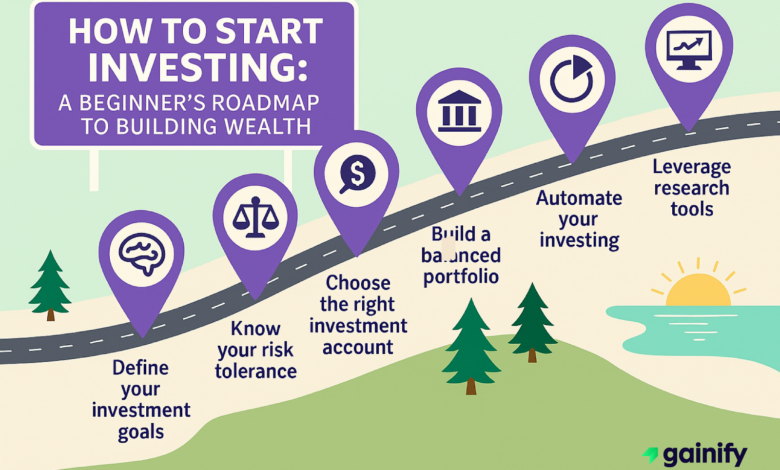
In today’s financial landscape, the idea of building wealth may seem daunting, especially if you’re starting with limited funds. However, with the right strategies and a little guidance, anyone can embark on their investment journey. In this blog post, we will explore essential tips and techniques on how to start investing with little money. From grasping the fundamentals of investing to leveraging innovative tools like robo-advisors and micro-investing apps, we’ll provide you with valuable insights to help you make informed decisions. Let’s unlock the doors to financial growth and discover how even small investments can lead to significant financial rewards over time.
Understanding the Basics of Investing
Investing can seem daunting, especially for beginners, but grasping the fundamental concepts can ease your journey. Here are some essential points to consider:
- What is Investing?
- Allocating money into assets with the expectation of generating a profit.
- Types of Investments:
- Stocks: Shares in a company, typically with higher risk and potential for growth.
- Bonds: Loans to governments or businesses, often providing lower risk and steady returns.
- Mutual Funds: Pooled resources that invest in a diversified portfolio of stocks and bonds.
- Key Terms to Know:
Term Definition Return The gain or loss made on an investment. Risk The potential for losing money in your investment. Diversification Spreading investments across different assets to reduce risk.
Understanding these basics will enable you to Start Investing with confidence, no matter the amount of money you have available. Consider these elements as the foundation upon which to build your investment strategy.

Start Investing with Low-Cost Index Funds
Investing with low-cost index funds is an ideal strategy for beginners eager to grow their portfolios without breaking the bank. These funds offer a diversified way to invest in a broad market index, typically with lower fees than actively managed funds. Here are some key points to consider:
| Feature | Benefit |
|---|---|
| Low Expense Ratios | Keep more of your earnings with reduced management fees. |
| Automatic Diversification | Gain exposure to multiple stocks or bonds in a single investment. |
| Passive Management | Benefit from tracking market indices without constant trading. |
| Simplicity | Easy to understand and manage for new investors. |
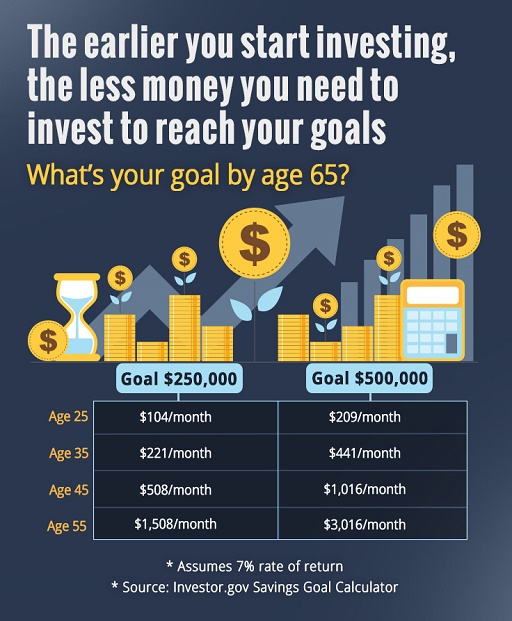
To start investing, focus on reputable index funds that track indices like the S&P 500 or total stock market indices. Remember, the earlier you start investing in low-cost index funds, the more time your money has to grow!
Utilizing Robo-Advisors for Beginner Investors
Robo-advisors are an excellent option for novice investors looking to enter the financial market without overwhelming complexity. They provide automated portfolio management services, making it easy for you to start investing even with minimal funds. The process typically begins with a few quick questions about your financial goals, risk tolerance, and time horizon.
Advantages of Robo-Advisors:
| Feature | Benefit |
|---|---|
| Low Minimum Investment | Some platforms allow you to start with as little as $5. |
| Automatic Rebalancing | Robo-advisors routinely adjust your portfolio to maintain your desired asset allocation. |
| Diversification | They invest across a broad range of asset classes, which can help mitigate risk. |
By leveraging technology, robo-advisors efficiently manage your investments, allowing you to focus on your long-term financial objectives. If you’re hesitant about traditional investing due to a lack of experience or capital, consider using a robo-advisor as a stepping stone. It’s a smart way to build your financial future while minimizing effort and maximizing investment potential. So why wait? It’s time to start investing wisely!
Building an Emergency Fund Before You Start Investing
Before diving into the world of investing, having a solid emergency fund is crucial. An emergency fund acts as a safety net, allowing you to invest confidently without the worry of unexpected expenses derailing your financial goals. Here are some key considerations:
- Start Small: Aim for at least three to six months’ worth of living expenses. This may seem daunting, but you can gradually build it up.
- Easy Access: Keep your emergency fund in a high-yield savings account. This ensures your money is accessible when needed but still earns some interest.
- Consistent Contributions: Set a monthly contribution goal, even if it’s a small amount. Over time, these contributions can significantly increase your fund.
| Step | Action |
|---|---|
| Determine Expenses | Calculate your monthly living expenses |
| Set a Target | Decide on three to six months’ worth |
| Choose an Account | Select a high-yield savings account |
| Automate Savings | Set up automatic transfers to your fund |
By prioritizing your emergency fund, you’ll start investing with peace of mind, knowing you have a financial cushion to fall back on during challenging times.
Exploring Micro-Investing Apps
Micro-investing apps offer a user-friendly way to start investing with minimal capital. These platforms allow individuals to invest small amounts of money, often rounding up everyday purchases to the nearest dollar and investing the spare change. This feature not only makes investing accessible but also encourages habitual saving. Here are some key advantages:
| Feature | Benefit |
|---|---|
| Low Minimum Investment | Start with as little as $5 or even less, reducing the barrier to entry. |
| Automatic Rounding | Invest spare change automatically, making it easy to grow your funds without additional effort. |
| Diversified Portfolios | Many apps offer diversified portfolios, allowing you to spread your investment across various assets. |
| User-Friendly Interface | Easy navigation and intuitive design make investing simpler for beginners. |
Overall, micro-investing apps like Acorns or Stash can play a pivotal role in your journey to financial growth. Start to explore these platforms today and take that essential first step. Start Investing wisely, even if you have little money to spare!
Diversification Strategies for Small Investments
When you Start Investing with limited funds, diversification is essential to manage risk effectively. Investing across various asset classes—such as stocks, bonds, and real estate—can shield your portfolio from unforeseen market fluctuations. Below is a simple comparison of diversification strategies:
| Strategy | Description | Best For |
|---|---|---|
| Index Funds | Invest in a broad array of stocks at once | Passive investors |
| ETFs | Buy shares that track indices or sectors | Low-cost growth seekers |
| Robo-Advisors | Automatically diversify based on your goals | Hands-off investors |
| Fractional Shares | Purchase parts of high-value stocks | Budget-conscious investors |
By implementing these strategies, you can minimize risk while still capturing potential growth. Remember, the key is to Start Investing even if it’s a small amount, as regular contributions can yield impressive results over time. Choose investments that align with your financial goals and ensure your portfolio is balanced to better withstand market challenges.
Setting Financial Goals to Guide Your Investments
Establishing clear financial goals is paramount when you’re ready to Start Investing. Goals provide a roadmap for your investment journey, ensuring that you remain focused and motivated. Here are some essential steps to guide you in setting effective financial goals:
- Identify Your Time Horizon:
- Short-term (1-3 years)
- Medium-term (3-10 years)
- Long-term (10+ years)
- Determine Your Risk Tolerance:
- Low: Prioritize capital preservation
- Medium: Seek balanced growth
- High: Aim for aggressive growth
- Quantify Your Objectives:
- Retirement savings: $500,000
- Home purchase: $100,000
- Vacation fund: $5,000
| Goal Type | Time Horizon | Target Amount | Risk Level |
|---|---|---|---|
| Retirement Fund | 20 years | $1,000,000 | High |
| Emergency Fund | 1 year | $10,000 | Low |
| Education Savings | 10 years | $50,000 | Medium |
By outlining these components, you’ll not only clarify where you want to go, but you’ll also understand how to allocate your investments accordingly. Goals help refine your investment strategy and keep your progress on track. So, as you Start Investing, take the time to set these important financial milestones!