Best Investment Strategies for Beginners
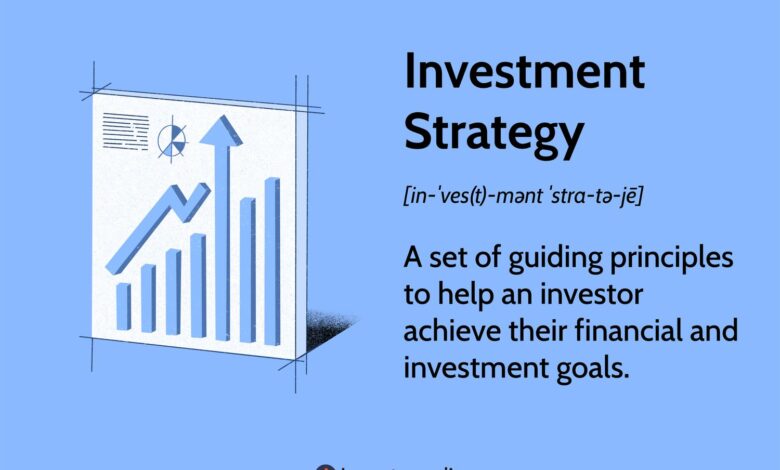
Investing can seem daunting for beginners, but understanding the fundamentals can pave the way to financial success. In this ever-changing economic landscape, knowing how to navigate the world of investments is crucial. This blog post delves into the best Investment Strategies tailored for novices, while also highlighting key concepts such as setting achievable financial goals and assessing risk tolerance. Whether you’re just starting or looking to refine your approach, we’ll explore types of investments that align with your budget and help you build a diversified portfolio, all while avoiding common pitfalls along the way. Join us as we demystify investing and set you on the path to financial empowerment.
Understanding the Basics of Investing
Embarking on your investment journey can be both exciting and overwhelming. Understanding the fundamentals is crucial for making informed decisions. Here are some essential principles to grasp:
- Investment Definition: Investments are assets acquired with the expectation that their value will increase over time or generate income.
- Time Horizon: Your investment timeframe matters. Short-term investments may involve lower risk, while long-term investments can offer greater potential returns.
- Risk and Reward: Higher potential returns often come with higher risks. Determine your comfort level with risk before investing.
Key Concepts
| Concept | Description |
|---|---|
| Liquidity | The ease with which an asset can be converted to cash. |
| Compound Interest | Earnings on investments reinvested to generate more earnings. |
| Diversification | Spreading investments across various assets to mitigate risk. |
By grasping these basic concepts, you build a solid foundation to explore Investment Strategies effectively. Understanding where to start can set you on the path to financial success.
Setting Financial Goals
Setting financial goals is a crucial step for any beginner investor. Clearly defined objectives guide your investment decisions and help maintain focus throughout your financial journey. To effectively set your goals, consider the following key points:
| Goal Type | Description | Timeframe |
|---|---|---|
| Short-term goals | Immediate needs or desires, such as saving for a vacation or emergency fund | 1-3 years |
| Medium-term goals | Larger purchases, like a home or vehicle | 3-5 years |
| Long-term goals | Retirement savings or college funds for children | 5+ years |
By categorizing your goals, you can tailor your investment strategies accordingly. It’s important to be specific and realistic; for instance, determine how much you need to save for each goal. Regularly review and adjust these goals as your financial situation changes. This proactive approach will enhance your investment journey, ensuring you make informed decisions and achieve the financial freedom you desire.
Types of Investments for Beginners
When starting your investment journey, it’s crucial to understand the types of investments available. Each option has unique characteristics that cater to different goals and risk levels.
1. Stocks: Investing in stocks allows you to buy shares of a company, potentially benefiting from capital appreciation and dividends. This route may offer high returns but also comes with increased volatility.
2. Bonds: As fixed-income securities, bonds are typically less risky than stocks. They provide regular interest payments and return the principal at maturity, making them a suitable option for conservative investors.
3. Mutual Funds: These funds pool money from various investors to purchase a diversified mix of stocks and bonds, managed by professionals. They provide exposure to multiple assets, reducing overall risk.
4. ETFs (Exchange-Traded Funds): Similar to mutual funds but traded on stock exchanges, ETFs offer liquidity and lower fees. They track indices, commodities, or sectors, making it easy to diversify.
5. Real Estate: Investing in property can provide rental income and appreciation over time. Though it requires more capital and management, real estate can be a profitable long-term approach.
| Investment Type | Risk Level | Liquidity | Potential Returns |
|---|---|---|---|
| Stocks | High | Moderate | High |
| Bonds | Low to Moderate | High | Moderate |
| Mutual Funds | Moderate | Moderate to High | Moderate |
| ETFs | Moderate | High | Moderate to High |
| Real Estate | Low to Moderate | Low | High |
By exploring these investment strategies, beginners can make informed choices that align with their financial goals and risk tolerance.
Risk Tolerance and Investment Choices
Understanding your risk tolerance is crucial when selecting investment strategies. Risk tolerance indicates how much volatility you can withstand in your investment portfolio. Here’s how you can assess it:
- Age: Younger investors can often take on more risk as they have time to recover from losses.
- Financial Situation: Analyze your income, expenses, and emergency funds to determine how much you can afford to invest.
- Investment Knowledge: More experienced investors may be comfortable with riskier assets, while beginners might prefer safer options.
Risk Tolerance Assessment Table
| Risk Level | Investment Choices | Example Assets |
|---|---|---|
| Low Risk | Conservative investments | Bonds, high-dividend stocks |
| Moderate Risk | Balanced approach | Mutual funds, index funds |
| High Risk | Growth-oriented selections | Stocks, options, cryptocurrencies |
By aligning your Investment Strategies with your risk tolerance, you can make informed decisions that not only suit your financial objectives but also provide peace of mind during market fluctuations.
Starting with a Budget: How Much to Invest
Establishing a budget is crucial when entering the world of investing. Starting with a budget helps you determine how much money you can comfortably allocate without jeopardizing your essential expenses. Here are some key considerations for beginners:
| Factor | Details |
|---|---|
| Income Level | Assess your monthly income and subtract necessary expenses. |
| Emergency Fund | Ensure you have a sufficient emergency fund before investing. |
| Financial Goals | Define short-term and long-term financial goals to guide your investments. |
| Investment Duration | Decide if your goals are short-, medium-, or long-term, influencing your budget allocation. |
Once you’ve evaluated these factors, you can confidently set aside a specific amount for Investment Strategies. It’s advisable to start small and gradually increase your investment as you acquire more knowledge and experience. Remember, the key is to remain disciplined and avoid overextending your finances.
Building a Diversified Portfolio
A well-structured portfolio is crucial for any beginner investor looking to navigate the financial landscape successfully. Diversification is key—it means spreading your investments across various asset classes to reduce risk. Here are some essential points to consider:
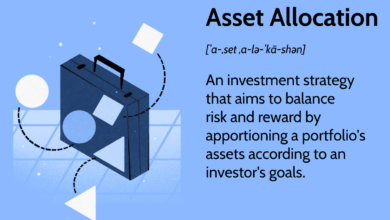
- Asset Allocation: Divide your investments among different categories like stocks, bonds, and real estate. For example, a suitable mix could be 60% stocks, 30% bonds, and 10% alternatives.
- Geographical Diversification: Invest in international markets to harness global growth. Emerging markets could offer higher returns than domestic investments.
- Investment Vehicles: Utilize mutual funds or ETFs that inherently provide built-in diversification by investing in a range of securities.
| Investment Type | Risk Level | Potential Return |
|---|---|---|
| Stocks | High | 7-10% |
| Bonds | Low to Medium | 3-5% |
| Real Estate | Medium | 5-8% |
| Mutual Funds/ETFs | Varies | 6-9% |
By crafting a diversified portfolio, you not only increase your chances of returns but also protect yourself from market volatility, making it one of the best investment strategies for beginners.
Common Mistakes to Avoid as a Beginner Investor
Navigating the investment world can be challenging for beginners. However, avoiding common pitfalls can enhance your Investment Strategies and lead to more fruitful outcomes. Here are some mistakes to steer clear of:
- Neglecting Research: Failing to research investments can lead to poor decisions.
- Emotion-Driven Decisions: Allowing fear or greed to guide choices often results in losses.
- Overreacting to Market Movements: Reacting hastily to market fluctuations can derail your strategy.
Here’s a quick table summarizing these mistakes:
| Mistake | Impact | Prevention Tips |
|---|---|---|
| Neglecting Research | Informed decisions weaken | Conduct thorough market analysis |
| Emotion-Driven Decisions | Increased risk of losses | Stick to your plan and strategy |
| Overreacting to Market Movements | Instability in portfolio value | Set pre-defined exit strategies |
By being aware of these missteps, you can optimize your Investment Strategies and build a more resilient portfolio.