Financial Literacy: Why It Matters
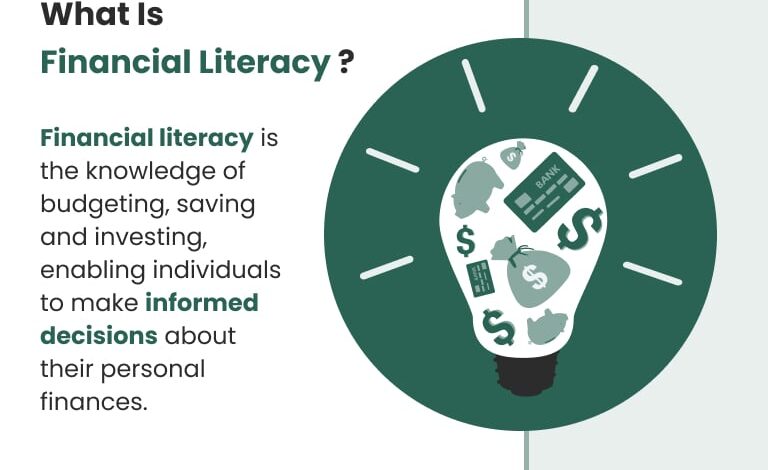
In today’s fast-paced world, understanding the nuances of managing personal finances is more crucial than ever. Financial Literacy is not just a buzzword; it is a fundamental skill that influences every aspect of our daily lives. From budgeting and saving to investing and planning for retirement, the ability to make informed financial decisions can empower individuals and lead them toward their financial goals. This blog post explores the significance of financial literacy, its role in fostering overall economic stability, and the challenges many face in acquiring this essential knowledge. Whether you’re looking to enhance your financial acumen or simply understand its impact on your life, join us as we delve into why financial literacy truly matters.
Understanding Financial Literacy: A Fundamental Skill
Financial Literacy is a crucial skill in today’s fast-paced, economically driven world. It encompasses the ability to understand and effectively use various financial skills, including personal financial management, budgeting, and investing. Here are some key aspects of this essential skill:
- Budgeting: Learning to create and maintain a budget helps manage income and expenses efficiently.
- Credit Management: Understanding credit scores and how to maintain or improve them can lead to better borrowing opportunities.
- Investment Knowledge: Knowing the basics of stocks, bonds, and other investment vehicles empowers individuals to make informed choices.
| Key Element | Description |
|---|---|
| Income Understanding | Comprehending various sources of income, including salary and investments. |
| Expense Tracking | Tracking all types of expenses to identify spending habits and areas for saving. |
| Debt Awareness | Recognizing the impact of debts and the importance of managing them wisely. |
Developing Financial Literacy not only fosters individual empowerment but also contributes to smarter financial decisions that can lead to long-term success and stability.
The Importance of Financial Literacy in Daily Life
Financial Literacy is not just an abstract concept; it plays a crucial role in our daily life. Being financially literate enables individuals to make informed decisions regarding budgeting, spending, and saving. Here’s how it impacts everyday situations:
| Aspect | Importance |
|---|---|
| Budget Management | Helps in creating and maintaining a budget that accommodates both needs and wants. |
| Debt Management | Enables informed choices about loans, credit cards, and repayment strategies. |
| Savings & Investments | Empowers individuals to build savings and choose safe investment options. |
| Consumer Awareness | Aids in understanding product pricing, value, and avoiding scams. |
| Emergency Preparedness | Encourages the establishment of an emergency fund for unexpected expenses. |
By integrating Financial Literacy into everyday decision-making, individuals can enhance their financial security and well-being. Thus, developing strong financial habits lays the foundation for a more stable future.
How Financial Literacy Empowers Individuals
Financial Literacy equips individuals with the knowledge and skills necessary to navigate the complex world of personal finance. From budgeting to investing, understanding financial concepts enables better decision-making. For instance, a financially literate person can effectively compare credit options, understanding the long-term implications of interest rates and fees.
Here’s a quick comparison of empowered versus unempowered individuals:
| Aspect | Empowered Individuals | Unempowered Individuals |
|---|---|---|
| Budgeting | Create and stick to budgets | Struggle to manage expenses |
| Saving Goals | Set and achieve savings | Often live paycheck to paycheck |
| Investment Knowledge | Diversify investments | Lack awareness of options |
| Credit Management | Maintain good credit scores | Face higher borrowing costs |
By developing Financial Literacy, individuals can take control over their financial futures, leading to less stress and increased confidence. This foundational skill ultimately paves the way for healthier financial habits and long-term stability.
Financial Literacy and its Role in Achieving Financial Goals
Financial Literacy significantly influences an individual’s ability to set, pursue, and achieve financial goals. Understanding key financial concepts empowers individuals to make informed decisions that directly impact their financial success. Here are some crucial ways Financial Literacy aids in achieving such goals:
- Budgeting Skills:
- Create and manage a budget effectively.
- Prioritize spending to save for future goals.
- Smart Investment Choices:
- Understand different investment vehicles (stocks, bonds, mutual funds).
- Assess risks and potential returns, facilitating better investment decisions.
- Debt Management:
- Identify types of debt (credit cards, loans) and their implications.
- Develop strategies for timely debt repayment, reducing stress and financial burden.
| Financial Goal | Role of Financial Literacy |
|---|---|
| Home Ownership | Helps understand mortgage options and maintain a sustainable payment plan. |
| Emergency Fund Building | Teaches importance of saving and budgeting for unexpected expenses. |
| Retirement Planning | Encourages early savings in retirement accounts and understanding compound interest. |
By enhancing Financial Literacy, individuals not only set realistic financial goals but also have the tools and knowledge necessary to achieve them successfully.

The Link Between Financial Literacy and Economic Stability
Financial Literacy plays a crucial role in fostering economic stability. When individuals possess strong financial knowledge, they are better equipped to make informed decisions regarding spending, saving, and investing, which contributes to overall economic health.
Here’s how Financial Literacy links to economic stability:
| Key Factor | Explanation |
|---|---|
| Better Decision-Making | Knowledgeable individuals make prudent financial choices, reducing impulsive spending. |
| Enhanced Savings Rates | Individuals with a strong grasp of financial principles are more likely to save consistently for emergencies and goals. |
| Lower Debt Levels | Understanding debt management helps people avoid high-interest loans, leading to reduced financial strain. |
| Increased Investment Participation | Persons with financial education are more inclined to invest, stimulating economic growth through capital markets. |
| Improved Consumer Confidence | A population that is financially literate feels secure, promoting spending and investment, which propels economic activity. |
Ultimately, a community with high Financial Literacy can drive sustainable economic development, creating a more resilient economy in the long run.
Challenges in Financial Literacy Education
Despite the growing recognition of Financial Literacy, education in this area faces several significant challenges. Access to Resources is one major hurdle. Many individuals, particularly in underserved communities, lack access to quality financial education programs. This disparity contributes to a knowledge gap that can perpetuate cycles of poverty.
Additionally, Curriculum Relevance poses another challenge. Many existing programs fail to tailor content to reflect real-life situations and contemporary financial products. A comparison between traditional financial education and modern approaches highlights these discrepancies:
| Aspect | Traditional Education | Modern Education |
|---|---|---|
| Content | Theory-focused | Practical applications |
| Delivery Methods | Lecture-based | Interactive, digital tools |
| Target Audience | General public | Specific demographics |
Furthermore, Societal Attitudes toward money can hinder effective education. Stigmas surrounding discussions of personal finance often discourage individuals from seeking help or guidance. Addressing these challenges is essential for fostering a society that values Financial Literacy and empowers individuals to take control of their financial futures.
Steps to Improve Your Financial Literacy
Improving your Financial Literacy is a crucial step towards better financial management. Here are effective strategies to elevate your understanding of financial concepts:
- Educate Yourself
- Read books, articles, and blogs on finance.
- Attend workshops or online courses focused on financial topics.
- Use Financial Tools
- Budgeting apps can help track income and expenses.
- Investment simulators allow you to practice trading without real money.
- Seek Professional Guidance
- Consult a financial advisor for personalized advice.
- Join community programs offering financial education.
- Engage in Discussions
- Participate in online forums or local groups discussing financial topics.
- Share knowledge and experiences with peers.
| Step | Actionable Tip |
|---|---|
| Educate Yourself | Read finance-related literature and attend workshops. |
| Use Financial Tools | Implement budgeting apps and practice with simulators. |
| Seek Professional Guidance | Consult with experts and join educational programs. |
| Engage in Discussions | Join forums and share insights with peers. |
Taking these steps not only enhances your Financial Literacy but also empowers you to make informed decisions for your financial future. Start today and watch your confidence grow!