Common Investment Mistakes to Avoid
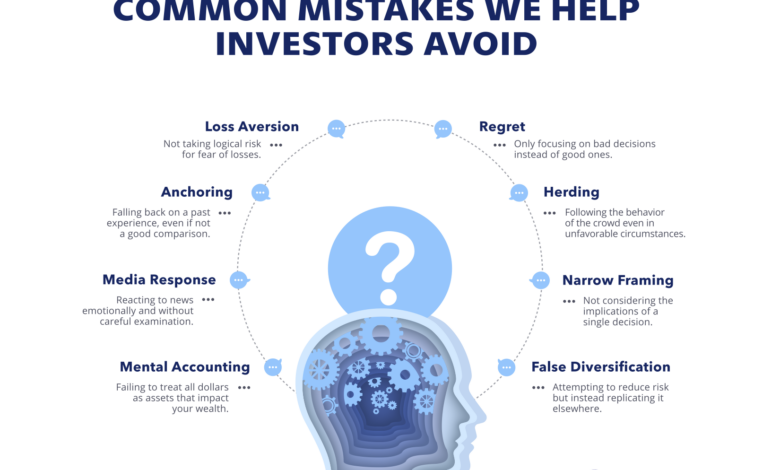
Investing can be a powerful way to build wealth and secure your financial future, but it’s not without its pitfalls. Many individuals unwittingly fall prey to a range of Investment Mistakes that can derail their financial goals. From failing to conduct thorough research and chasing the allure of past performance to ignoring the significance of diversification, these errors stem from both a lack of knowledge and emotional decision-making. In this post, we’ll explore some of the most common missteps to help you navigate the complex world of investing more effectively, ensuring that your hard-earned money works for you rather than against you.
Failing to Research Before Investing
One of the most critical Investment Mistakes potential investors make is failing to conduct thorough research before committing their money. Proper research not only enhances your understanding of market dynamics but also helps in identifying viable opportunities. Here are some key factors to consider:
- Understand the Market: Gain insights into the current trends and economic indicators that might affect your investment.
- Analyze Investment Options: Compare different instruments like stocks, bonds, or mutual funds to determine what aligns best with your goals.
- Investigate Company Fundamentals: For stock investments, review financial statements, management performance, and industry position.
| Research Aspect | Importance |
|---|---|
| Market Trends | Helps forecast potential performance |
| Investment Comparisons | Provides clarity on returns and risks |
| Company Fundamentals | Ensures informed decision-making |
Neglecting to research can lead to uninformed decisions and significant losses. Avoid this common pitfall by dedicating time to educate yourself, which is essential for financial success.
Chasing Past Performance
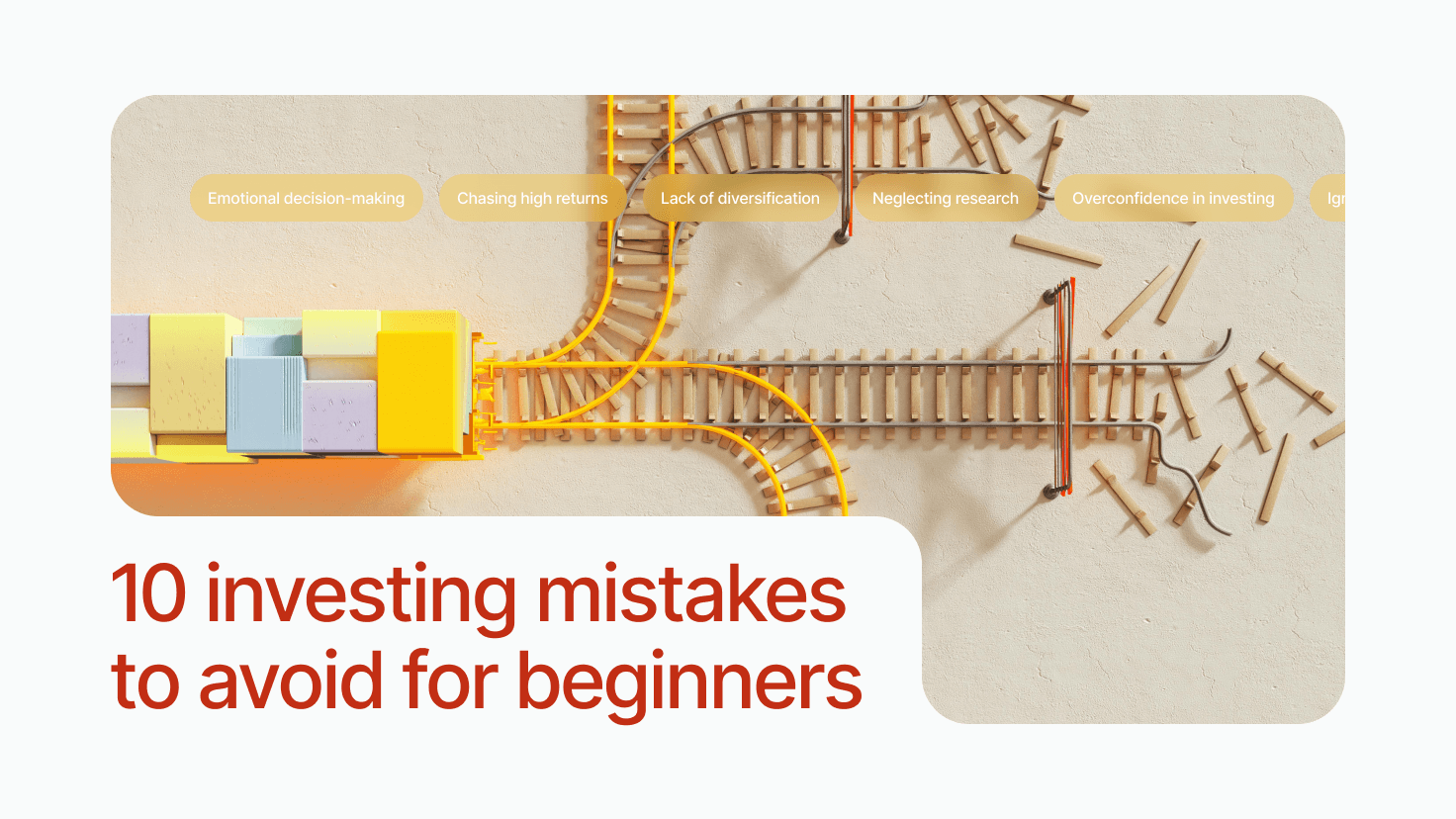
When it comes to investing, one of the most prevalent Investment Mistakes is the tendency to chase past performance. Investors may become enamored with stocks or funds that have previously yielded impressive returns, leading to hasty decisions without thorough analysis.
Here are some key points to consider regarding this common pitfall:
| Key Points | Insight |
|---|---|
| Historical Performance | Past returns do not guarantee future results. |
| Market Conditions | Economic factors can change, affecting performance. |
| Herd Mentality | Following trends can lead to poor investment choices. |
| Fundamental Analysis | Focus on a company’s fundamentals rather than its past. |
Understanding the limitations of historical performance can help investors make more informed, rational decisions. Avoiding the allure of past success ensures a more strategic investment approach, leading to better long-term outcomes.
Ignoring Diversification
Diversification is a fundamental principle in investing that many often overlook, leading to significant Investment Mistakes. When investors concentrate their assets in a single stock, sector, or market, they expose themselves to higher risk. For instance, if you invested solely in tech stocks and the sector faces a downturn, your portfolio would suffer immensely.
| Investment Type | Risk Level | Potential Return | Ideal for Diversification |
|---|---|---|---|
| Tech Stocks | High | High | Yes |
| Bonds | Low | Moderate | Yes |
| Real Estate | Moderate | High | Yes |
| International Stocks | Moderate | High | Yes |
By spreading investments across various asset classes—including stocks, bonds, and real estate—you can minimize risk while maximizing the potential for returns. It’s essential to regularly review and adjust your portfolio to maintain a balanced approach. Understanding the advantages of diversification can enhance your financial security and help avoid the pitfalls of relying on a single investment strategy.
Letting Emotions Drive Decisions
Investing can evoke strong emotions, which often lead to Investment Mistakes if not managed properly. Reacting impulsively to market fluctuations results in poor decision-making. Here are some critical points to consider:
- Fear and Greed: These two emotions can cloud judgment. For example, fear may cause you to sell during a downturn, potentially locking in losses, while greed can lead to overbuying during market highs.
- Long-term vs. Short-term: Focus on long-term goals instead of reacting to short-term market changes. Establishing a clear strategy helps keep emotions at bay.
- Set Limits: Implementing stop-loss orders and setting profit targets can help mitigate emotional decisions during market swings.
| Emotion | Potential Consequence | Solution |
|---|---|---|
| Fear | Selling in a downturn | Stick to your investment plan |
| Greed | Over-investing in high markets | Diversify your portfolio |
| Euphoria | Ignoring risks | Regularly review your strategy |
By recognizing and managing emotional triggers, you can avoid common Investment Mistakes and achieve your financial objectives with greater stability.
Timing the Market
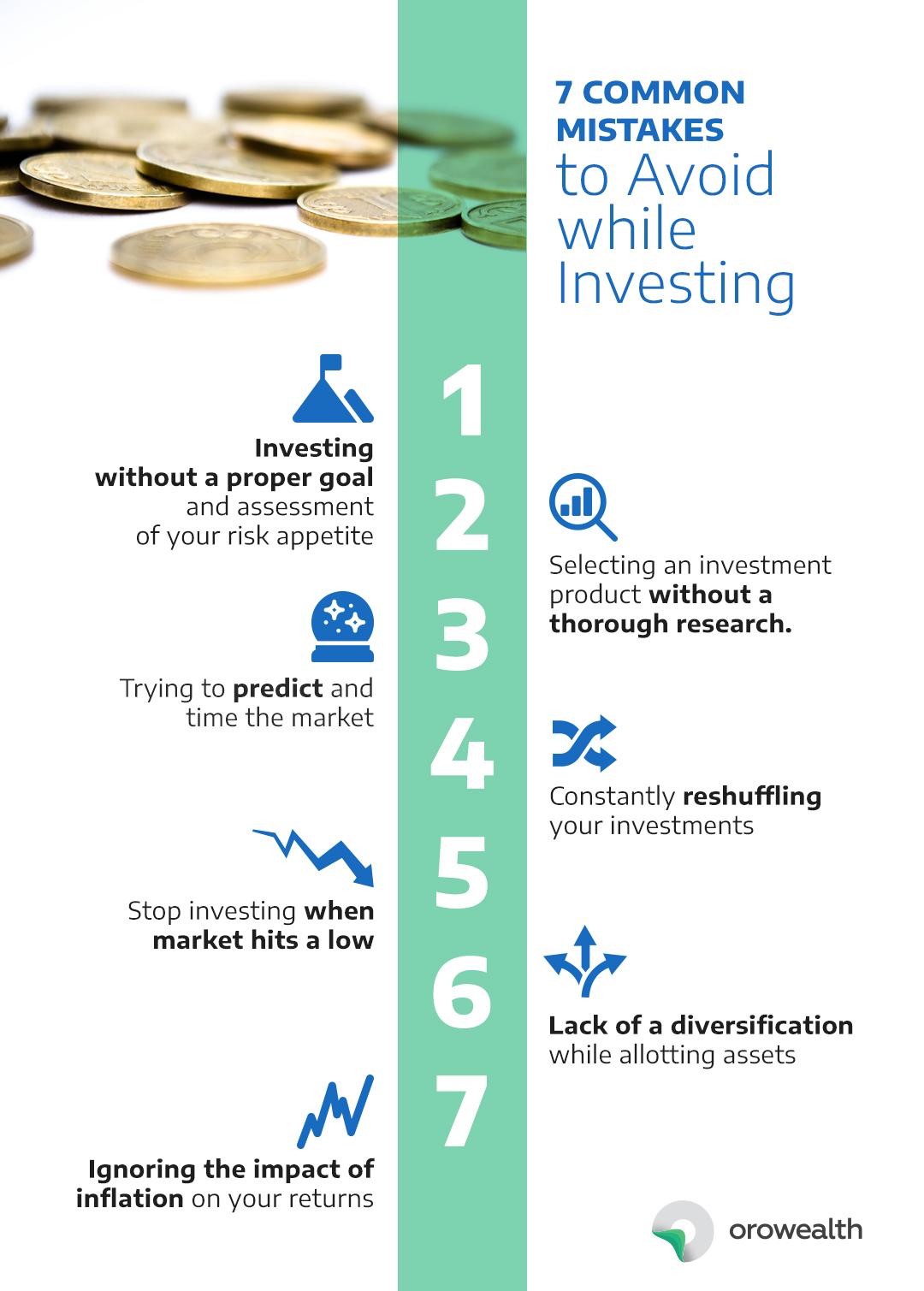
Timing the market involves trying to predict future price movements to buy low and sell high. Many investors believe they can master this art, but the reality often proves otherwise. Here are some critical points to consider:
| Key Point | Explanation |
|---|---|
| Emotional Decisions | Investors may act impulsively during market fluctuations, leading to poor choices that affect long-term success. |
| Market Unpredictability | Economic conditions, current events, and investor sentiment can shift rapidly, making accurate predictions nearly impossible. |
| Focus on Long-Term Strategy | Maintaining a long-term investment strategy tends to yield better returns rather than attempting to time the market, which can result in missed opportunities. |
Instead of chasing short-term trends, consider committing to a steady, informed investment approach. This strategy not only minimizes the risk of common Investment Mistakes but also fosters a healthier investment portfolio.
Neglecting Fees and Taxes
When it comes to investing, neglecting fees and taxes can significantly impact your overall returns. Understanding the costs associated with your investments is crucial. Here’s a quick overview of fees and taxes you should consider:
| Type | Description | Impact on Returns |
|---|---|---|
| Management Fees | Fees charged by fund managers for their services | These can eat into your profits over time. |
| Trading Commissions | Costs incurred for buying and selling assets | Frequent trading can result in higher costs. |
| Capital Gains Tax | Tax on profits from asset sales | This reduces your net gain from investments. |
By actively monitoring these factors, investors can make more informed decisions. Additionally, opting for low-cost investment options and tax-efficient strategies can maximize your returns. Staying vigilant about fees and taxes can lead you to better investment outcomes. Remember, every dollar saved from fees and taxes is a dollar that can grow in your investment portfolio!
Overlooking the Importance of a Financial Advisor
Navigating the investment landscape can be complex, which is why investment mistakes often stem from neglecting professional guidance. Here are key reasons why consulting a financial advisor is crucial:
- Expertise: Financial advisors possess knowledge about market trends and strategies that can enhance your investment approach.
- Tailored Advice: They can create personalized investment plans based on your financial goals and risk tolerance.
- Emotional Control: Advisors help manage emotions during market fluctuations, allowing for more rational decision-making.
| Benefit | Description |
|---|---|
| Strategic Planning | Advisors provide long-term strategies to meet goals. |
| Diversification | They ensure your portfolio is diversified to minimize risk. |
| Tax Efficiency | Financial advisors can suggest strategies to reduce your tax burden. |
By incorporating insights from a financial advisor, you can avoid significant investment mistakes and optimize your investment journey.