Emergency Fund: How Much Should You Save?
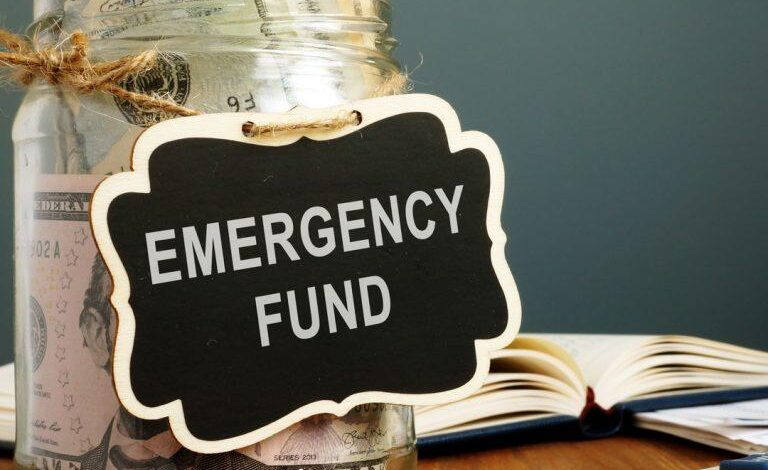
In an unpredictable world, the importance of having a financial safety net cannot be overstated. An Emergency Fund is your first line of defense against unexpected expenses like medical emergencies, job loss, or urgent home repairs. But how much should you actually save? With rising living costs and economic uncertainties, determining the right amount for your personal situation can be daunting. In this blog post, we’ll guide you through the fundamental aspects of emergency funds, highlighting why they are essential, the factors that determine how much you should save, and effective strategies for building and managing your financial cushion. Whether you’re starting from scratch or looking to reassess your current savings, we’ve got you covered with practical insights to ensure you’re prepared for whatever life throws your way.
Understanding Emergency Funds
An Emergency Fund acts as a financial safety net, providing peace of mind during unexpected situations. Below are some critical points to consider when understanding what an Emergency Fund is and how it functions:
- Definition: An Emergency Fund is a dedicated savings account set aside for unplanned expenses such as medical emergencies, car repairs, or sudden job loss.
- Purpose: The primary goal is to minimize financial stress and avoid debt when life throws unexpected challenges your way.
- Accessibility: It should be easily accessible, yet kept separate from your regular checking and savings accounts to prevent the temptation to dip into it for non-emergencies.
| Key Features | Description |
|---|---|
| Liquidity | Must be in a form that is easily withdrawn |
| Security | Should be kept in a safe place, such as a bank |
| Goal Amount | Typically, three to six months of living expenses |
Understanding these fundamental aspects of an Emergency Fund will better prepare you to handle life’s uncertainties without derailing your financial stability.
Why You Need an Emergency Fund
An Emergency Fund is crucial for financial stability and peace of mind. Here are some compelling reasons why you should prioritize saving this essential fund:
- Unplanned Expenses: Life is unpredictable; an emergency fund helps you cover sudden costs like medical bills or car repairs without financial strain.
- Job Security: In the event of job loss, an Emergency Fund acts as a financial cushion, allowing you time to search for new employment without immediate stress.
- Avoiding Debt: By having savings set aside, you reduce the likelihood of relying on credit cards or loans, which often come with high-interest rates.
| Reason | Impact on Financial Stability |
|---|---|
| Covers unexpected costs | Reduces financial stress |
| Provides job security | Allows for a longer job search |
| Prevents debt accumulation | Saves money on interest payments |
Building an Emergency Fund not only guards against financial setbacks but also enhances your overall confidence in managing your personal finances. Prioritizing this safety net can lead to better financial health and peace of mind.
Determining the Right Amount to Save
Determining the right amount to save for your Emergency Fund is crucial for financial security. Generally, experts recommend saving between three to six months’ worth of essential living expenses. Here’s a quick breakdown:
| Monthly Expenses | 3 Months | 6 Months |
|---|---|---|
| $2,000 | $6,000 | $12,000 |
| $3,000 | $9,000 | $18,000 |
| $4,000 | $12,000 | $24,000 |
To decide where you fall on this scale, consider your unique circumstances. If you have a stable job and live in a low-cost area, three months might suffice. Conversely, if you’re in a volatile industry or have dependents, aiming for six months may offer better security.
Furthermore, assess your personal comfort level—some prefer a more substantial Emergency Fund to weather uncertainties. By evaluating these factors, you can tailor an effective savings strategy that aligns with your financial needs.
Factors Influencing Your Emergency Fund Size
Determining the right size for your Emergency Fund is crucial and can vary based on several influencing factors. Here are the key points to consider when assessing how much you should save:
| Factor | Description |
|---|---|
| Living Expenses | Calculate 3 to 6 months’ worth of essential expenses for a secure backup. |
| Job Stability | Consider your employment situation; higher stability may allow for a lower fund. |
| Dependents | More dependents may necessitate a larger fund to cover unexpected costs. |
| Health Considerations | Health issues can lead to higher medical expenses; factor these in accordingly. |
| Debt Levels | If you have significant debt, saving more for emergencies is prudent. |
| Income Variability | Irregular income requires a larger buffer to manage lean periods effectively. |
By evaluating these factors, you can establish a well-rounded Emergency Fund that caters to your unique situation. Prioritizing your financial security is essential, and addressing these factors will guide you to the appropriate amount to save.
How to Build Your Emergency Fund
Building your Emergency Fund is a crucial step in securing your financial future. Here are some effective strategies to help you start saving and reach your financial goals:
| Strategy | Description |
|---|---|
| Set a Savings Goal | Determine how much you want to save; aim for 3-6 months of expenses. |
| Open a Dedicated Account | Use a separate savings account to avoid dipping into your fund for non-emergencies. |
| Automate Savings | Set up automatic transfers from your checking account to ensure consistent contributions. |
| Start Small | Begin with manageable amounts, gradually increasing your contributions as you comfortably can. |
| Cut Unnecessary Expenses | Review your budget and identify areas where you can reduce spending to allocate more for your Emergency Fund. |
By implementing these strategies, you’ll build a robust Emergency Fund, providing peace of mind and financial security during unexpected situations.
Best Practices for Managing Your Emergency Fund
Effectively managing your Emergency Fund ensures it remains available when you need it most. Start by choosing a separate savings account specifically for your fund. This isolation prevents accidental spending and helps grow your savings interest.
Next, regularly review and adjust the fund based on your evolving financial situation. For instance, if you experience a change in income or expenses, recalibrating your savings goals is crucial.
Additionally, consider the optimal balance between accessibility and return. While your funds should be easily accessible in emergencies, opting for a high-yield savings account can provide better returns.
Lastly, automate contributions to your fund. Setting up a monthly transfer ensures consistent growth without requiring conscious effort, allowing you to reach your savings target faster. By adhering to these best practices, you’ll keep your Emergency Fund robust and ready for unexpected expenses.
When to Use Your Emergency Fund
Knowing the right time to tap into your Emergency Fund can make all the difference in your financial stability. Here are some situations where it is appropriate to use these savings:
- Medical Emergencies: Unexpected health issues can arise, leading to significant bills that need immediate attention.
- Job Loss: If you lose your job, this fund can help cover essential living expenses while you search for new employment.
- Car Repairs: Sudden vehicle breakdowns or significant repair costs can be financially straining. Accessing your fund here can ensure you remain mobile.
- Home Repairs: Issues like roof leaks or HVAC failures are emergencies that require prompt financial attention.
| Situation | When to Use | Amount Recommendation |
|---|---|---|
| Medical Emergencies | Always | As needed |
| Job Loss | Until re-employed | Up to 3-6 months’ expenses |
| Car Repairs | Unforeseen breakdowns | Average repair costs |
| Home Repairs | Urgent foundational issues | Necessary repairs only |
Using your Emergency Fund judiciously helps ensure that it remains a reliable resource when facing unexpected setbacks. Be discerning and prioritize essential needs to maintain long-term financial health.