What Is Investing? Beginner’s Guide
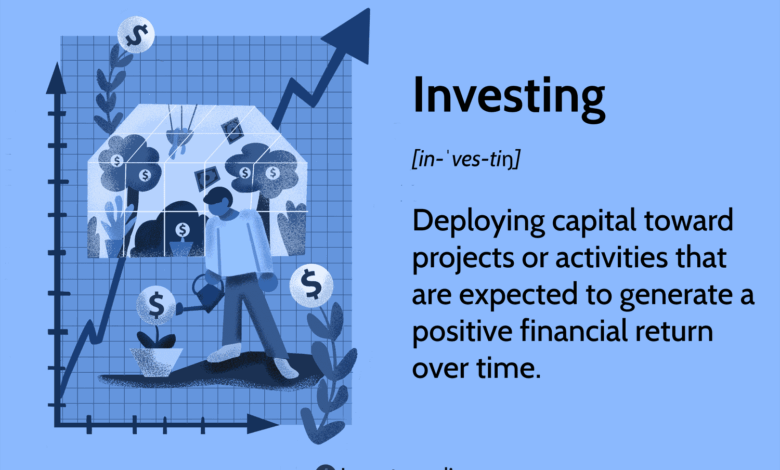
Navigating the world of finance can be daunting, especially for beginners looking to build their wealth and secure their financial future. Understanding the fundamentals of Investing is crucial for anyone wanting to take control of their financial destiny. This comprehensive guide aims to demystify the concept of investing, highlight its importance, and explore various types of investment options available. Whether you’re looking to dip your toes into the investment landscape or seeking strategies to enhance your portfolio, this guide will equip you with the insights you need to make informed decisions and thrive in your financial journey.
Understanding the Concept of Investing
Investing is more than just putting your money away; it involves making informed decisions to grow your wealth over time. By allocating resources—whether financial or otherwise—toward a potential profit, individuals can harness the power of compounding growth. Here are some key elements to understand:
- Definition: Investing refers to the purchase of assets with the expectation that they will generate a return or appreciate in value.
- Types of Assets:
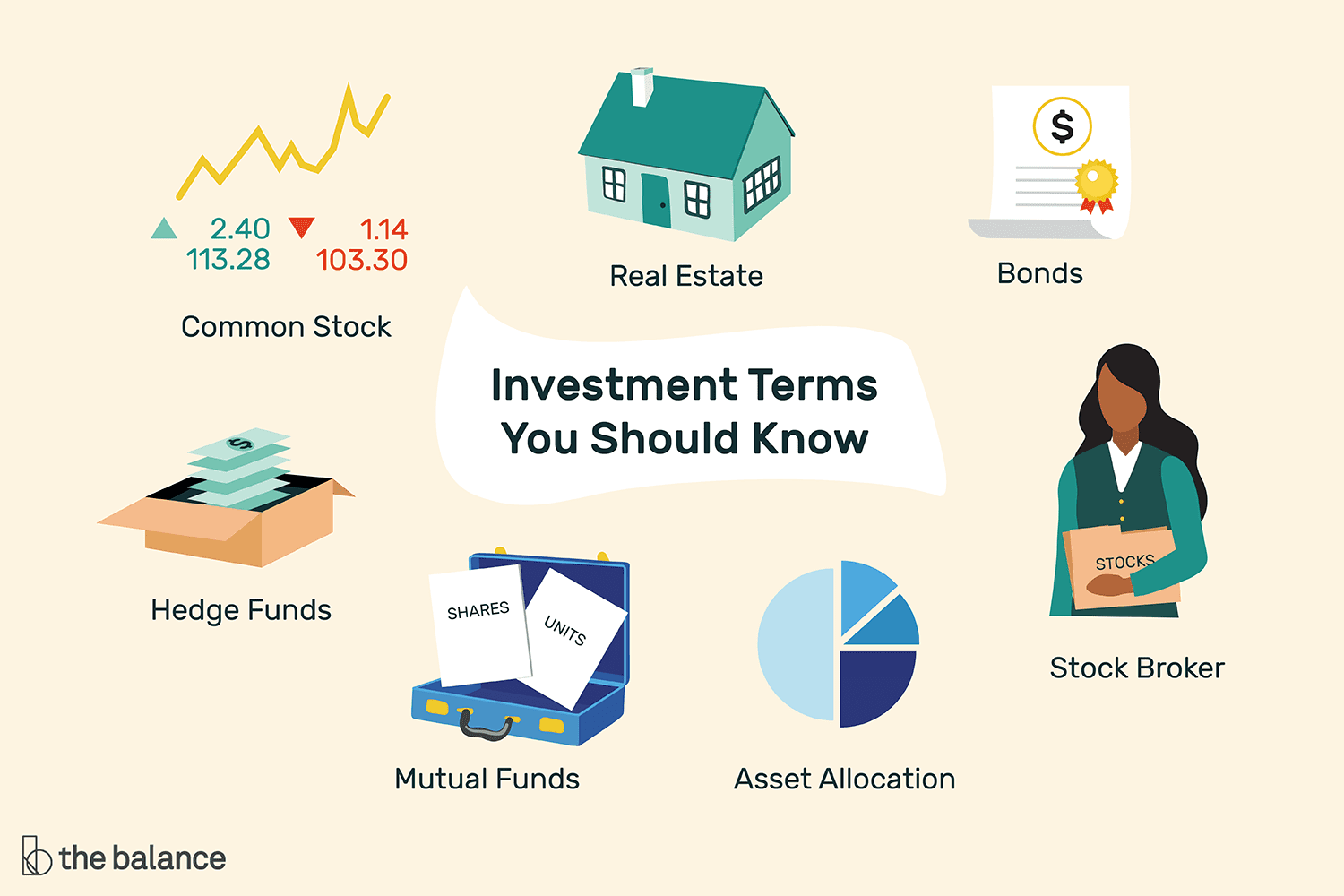
Asset Type Description Potential Return Stocks Shares in a company, promising dividends & growth High potential Bonds Loans made to corporations or governments Moderate, stable Real Estate Property ownership for rental or resale Variable, long-term Mutual Funds Pooled investments in various assets Diversified returns - Purpose: The primary aim of investing is to generate wealth to meet future financial goals, such as retirement, education, or even purchasing a home.
- Time Horizon: Understanding when you’ll need the money impacts your investment choices. Longer horizons may favor riskier assets for potentially greater rewards.
By grasping these fundamental concepts, beginners can establish a solid foundation for their financial futures.

The Importance of Investing for Beginners
Understanding the significance of investing is vital for anyone stepping into the world of finance. It’s not just about putting your money away; it’s about making your money work for you in the long run. Here are some key points to consider:
| Key Points | Explanation |
|---|---|
| Wealth Building | Investing allows your savings to grow over time through interest, dividends, or capital gains. |
| Inflation Hedge | By investing, you can potentially outpace inflation, ensuring your purchasing power remains strong. |
| Financial Independence | Investing strategically can help you achieve greater financial stability, enabling you to pursue personal goals. |
| Compound Interest | Early investments benefit from compounding, where your earnings generate additional earnings over time. |
For beginners, taking the first steps towards investing can seem daunting. However, recognizing its importance can pave the way for a secure financial future. Embracing the world of finance while understanding the potential growth it offers can lead to informed decisions and greater confidence in managing personal finances.
Types of Investments: A Comprehensive Guide
When exploring investing, understanding the various types available is essential for making informed decisions. Here’s a brief overview of the most common investment types:
| Investment Type | Description | Risk Level | Potential Returns |
|---|---|---|---|
| Stocks | Ownership in a company, potential for high returns | High | High |
| Bonds | Loans to governments or corporations, steady income | Medium | Moderate |
| Mutual Funds | Pooled investment managed by professionals | Medium | Variable based on assets |
| Real Estate | Property ownership, potential for rental income | Medium to High | Can be significant over time |
| ETFs | Exchange-traded funds that combine multiple assets | Medium | Variable based on assets |
Investors often choose a mix of these options according to their risk tolerance and financial goals. Investing wisely can lead to effective asset growth over time, making knowledge of these types crucial for beginners. Remember, diversifying your investment portfolio can help mitigate risks while maximizing potential returns.
How to Start Investing: Steps for Beginners
Beginning your investing journey might seem daunting, but with a structured approach, it can be quite manageable. Here’s a simple guide to help you get started:
- Set Your Goals:
- Define what you want to achieve—retirement, buying a home, or funding education.
- Educate Yourself:
- Understand basic investing concepts and terminology. Resources like online courses, books, or articles can be beneficial.
- Create a Budget:
- Determine how much money you can set aside for investing. Consider the 50/30/20 rule:
- 50% for needs,
- 30% for wants,
- 20% for savings and investments.
- Determine how much money you can set aside for investing. Consider the 50/30/20 rule:
- Choose an Investment Account:
- Select a brokerage or robo-advisor that aligns with your investment style and needs.
- Start Small:
- Initiate your investing with small amounts. This minimizes risk while you learn.
- Diversify Your Portfolio:
- Spread investments across various asset classes (stocks, bonds, real estate) to manage risk.
| Step | Description |
|---|---|
| Set Your Goals | Define financial objectives for clarity. |
| Educate Yourself | Learn the fundamentals of investing. |
| Create a Budget | Allocate funds wisely for investment. |
| Choose an Account | Pick a suitable investment platform. |
| Start Small | Begin with manageable amounts. |
| Diversify Portfolio | Reduce risk by investing in various assets. |
By following these steps, you set a solid foundation for your financial future. Embrace the journey, and don’t hesitate to seek advice when needed!
Common Myths About Investing Debunked
Many beginner investors cling to misconceptions that can hinder their financial growth. Understanding these myths is crucial for anyone looking to navigate the investing landscape effectively. Here are some common myths debunked:
| Myth | Reality |
|---|---|
| Investing is only for the wealthy | Investing is accessible to everyone, regardless of income. Many platforms allow small contributions. |
| You must be an expert to invest | Knowledge helps, but basic research can go a long way. Many resources simplify investing concepts. |
| High risk equals high return | While risk can lead to bigger gains, risk management is vital, and not all high-risk investments pay off. |
| You need to time the market | Timing is difficult; consistent investing over time often yields better results. |
| Investing is gambling | Investing is a strategy for building wealth over time, not a chance-based gamble. |
By debunking these myths, beginners can approach investing with confidence and clarity, setting the stage for long-term success.
Risk Management in Investing
Risk management is a critical aspect of investing that every beginner should understand. By actively assessing and addressing potential risks, you can protect your investments and enhance your long-term returns. Here are some essential strategies:
1. Diversification: Spreading your investments across various asset classes, such as stocks, bonds, and real estate, can reduce overall risk. Consider a comparison table:
| Investment Type | Risk Level | Expected Return |
|---|---|---|
| Stocks | High | 7-10% |
| Bonds | Medium | 3-5% |
| Real Estate | Medium | 6-8% |
2. Risk Assessment: Regularly evaluating your portfolio helps identify areas of concern. Use tools and resources to measure financial exposure.
3. Setting Stop-Loss Orders: Establishing stop-loss limits can help minimize losses by automatically selling assets at predetermined prices.
Incorporating these strategies into your investing routine allows you to navigate market fluctuations with confidence. Focus on informed decisions, and you’ll be on your way to successful risk management.
Strategies for Successful Investing
Successful investing is not solely about luck; it requires a well-thought-out strategy. Here are some key strategies to help beginners navigate the investment landscape effectively:
- Diversification: Spread your investments across various asset classes to minimize risk.
- Dollar-Cost Averaging: Invest a fixed amount regularly, regardless of market conditions, to lower the impact of volatility.
- Set Goals: Clearly define your financial objectives, whether saving for retirement, a major purchase, or wealth accumulation.
- Research and Analysis: Continuously educate yourself on market trends, analyze investment opportunities, and stay informed.
| Strategy | Description |
|---|---|
| Diversification | Reduces risk by spreading investments over various assets |
| Dollar-Cost Averaging | Minimizes the effects of market volatility by investing consistently over time |
| Clear Goals | Establishes focus and direction for your investment journey |
| Continuous Learning | Keeps you updated on market trends and improves decision-making |
By implementing these strategies, you’ll be better equipped to make informed decisions and enhance your chances of successful investing. Remember, patience and discipline are essential virtues in the investment realm.