Technical Analysis for Beginners
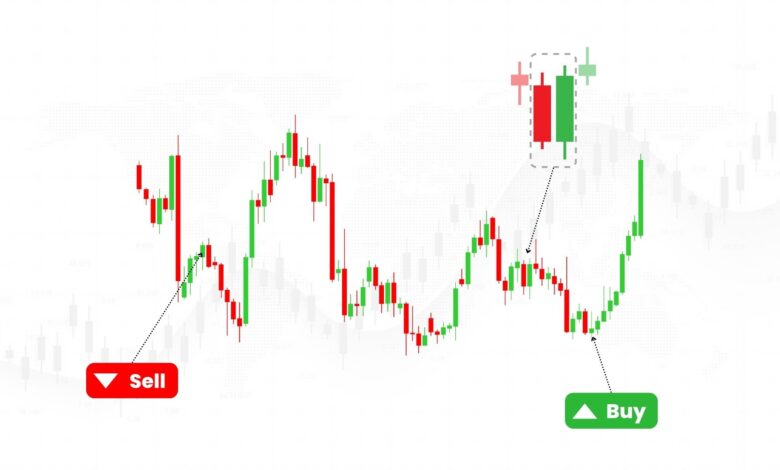
Are you intrigued by the world of trading but feel overwhelmed by the myriad of strategies available? Technical Analysis offers a structured approach to understanding market movements, allowing traders to make informed decisions based on historical price data rather than speculation. Whether you’re a novice looking to dip your toes into the stock market or an aspiring day trader, mastering the essentials of technical analysis can significantly enhance your trading effectiveness. In this guide, we will unravel the core concepts of technical analysis, unveil the importance it holds in trading, and equip you with practical tips to embark on your analytical journey.
What is Technical Analysis?
Technical Analysis is a powerful tool used by traders and investors to evaluate securities and make informed trading decisions. It focuses on historical price data and trading volume to forecast future price movements. Here are some key points to understand:
- Price Movements: Analyzes patterns in price changes over time, revealing potential trends.
- Volume Analysis: Examines trading volume alongside price movements to assess the strength of a trend.
- Market Psychology: Reflects the emotional factors that drive market movements, encapsulating trader sentiment.
| Component | Description |
|---|---|
| Charts | Visual representations of price movements over time. |
| Indicators | Mathematical calculations based on price and volume, aiding in decision-making. |
| Trends | General direction of market prices, categorized as upward, downward, or sideways. |
By utilizing Technical Analysis, traders develop strategies to identify entry and exit points, maximizing profit potential while minimizing risks. This approach is essential for anyone looking to navigate the complex world of trading effectively.
The Importance of Technical Analysis in Trading
Technical Analysis plays a crucial role in the world of trading, as it aids traders in making informed decisions. By examining price movements and trading volumes, traders can identify trends and potential price points for entry or exit. Here are some key reasons why Technical Analysis is essential:
| Importance | Explanation |
|---|---|
| Identifying Trends | Understanding market direction helps traders to capitalize on potential gains. |
| Risk Management | By setting stop-loss orders based on technical levels, traders can limit potential losses. |
| Timing Strategy | Provides insights on optimal timing for buying or selling assets based on historical data. |
| Market Psychology | It reflects trader sentiment, helping to gauge the likely future price movements. |
| Flexibility | Can be used across various markets, including stocks, forex, and cryptocurrencies. |
Incorporating these elements into your trading strategy enhances your ability to anticipate market movements and make well-informed decisions, ultimately increasing the likelihood of successful trading outcomes.
Key Concepts of Technical Analysis
In the realm of trading, Technical Analysis serves as a foundation for making informed decisions. Here are some of the key concepts that every beginner should understand:
- Price Action: This refers to the movement of a security’s price over time, revealing trends that traders can capitalize on.
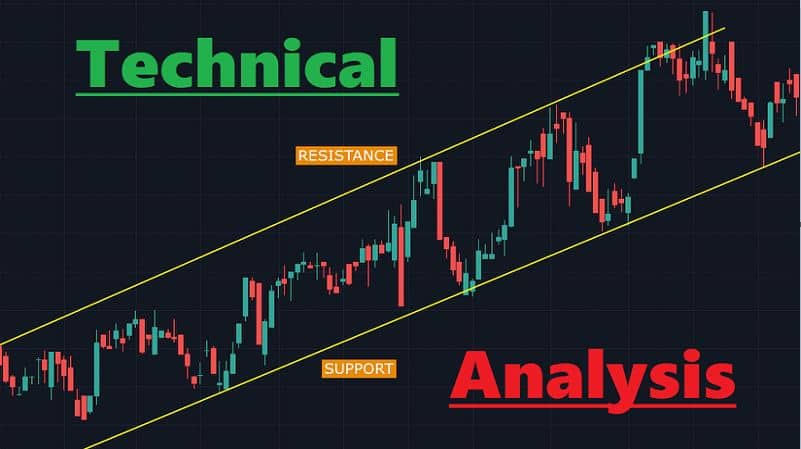
- Support and Resistance:
- Support is a price level where a downtrend can be expected to pause due to demand.
- Resistance is the opposite; it marks a price point where an uptrend may stall due to supply.
- Trends: The direction of price movement is crucial—identified as upward, downward, or sideways trends, which dictate trading strategies.
- Volume: This indicates the number of shares traded during a given timeframe, providing insight into the strength of a price movement.
- Indicators: Tools such as moving averages and the Relative Strength Index (RSI) help traders analyze price data and identify potential trading opportunities.
Understanding these concepts is vital for successful Technical Analysis, as they form the basis for further exploration into more complex strategies and tools.
Understanding Price Charts
Price charts are essential tools for traders and investors to analyze market trends and price movements. These visual representations help simplify complex data, allowing for informed trading decisions. Here are some key points to consider:
- Types of Price Charts:
- Line Charts: Simplistically display price movements over time.
- Bar Charts: Show opening, closing, high, and low prices for a specific period.
- Candlestick Charts: Provide valuable insights through ‘candles’ that represent a trading session’s open, close, high, and low prices.
- Chart Timeframes:
- Minute Charts: Ideal for day trading, showing minute-by-minute price movements.
- Daily Charts: Best for short-term investments, reflecting daily price closes.
- Weekly/Monthly Charts: Useful for evaluating long-term trends.
| Chart Type | Description | Best For |
|---|---|---|
| Line Chart | Displays price trend visually | Quick trend overview |
| Bar Chart | Details multiple price points per timeframe | Understanding price range |
| Candlestick Chart | Shows price action patterns like bullish/bearish candles | Full market view |
Understanding these elements within price charts can help you leverage Technical Analysis more effectively, enabling you to spot patterns and make informed trading decisions reliably.
Common Technical Indicators
When delving into Technical Analysis, traders often rely on specific indicators to interpret market movements and make informed decisions. Here are some common technical indicators that can help simplify this process:
| Indicator | Description | Key Use Case |
|---|---|---|
| Moving Average | Averages price data over a specified time frame. | Identifying trends and smoothing data. |
| Relative Strength Index (RSI) | Measures the speed and change of price movements. | Evaluating overbought or oversold conditions. |
| Moving Average Convergence Divergence (MACD) | Shows relationship between two moving averages of a security’s price. | Indicating potential buy or sell signals. |
| Bollinger Bands | Consists of a middle band (SMA) and two outer bands. | Assessing price volatility and potential breakout points. |
| Stochastic Oscillator | Compares a security’s closing price to its price range over a specific period. | Identifying overbought and oversold conditions. |
By understanding these indicators, beginners can better analyze price movements and enhance their trading strategies. Implementing these tools can lead to a more structured approach in Technical Analysis.
Interpreting Trends and Patterns
Interpreting trends and patterns is a cornerstone of Technical Analysis that can greatly influence your trading decisions. Understanding how to identify trends—whether upward, downward, or sideways—enables traders to make informed predictions about future price movements.
Recognizing Patterns is equally crucial; these formations, such as head and shoulders or triangles, offer insights into potential reversals or continuations in price movements. Here’s a brief comparison of common patterns:
| Pattern Type | Indication | Effect |
|---|---|---|
| Head and Shoulders | Trend reversal | Signifies the end of an upward trend |
| Ascending Triangle | Bullish continuation | Suggests further upward movement |
| Descending Triangle | Bearish continuation | Indicates potential price drop |
By analyzing these trends and patterns, you can enhance your decision-making skills and improve your trading strategy. Remember, practicing this skill regularly in your trading efforts will lead to better results over time.
Tips for Getting Started with Technical Analysis
Embarking on your journey into Technical Analysis can be rewarding but requires a structured approach. Here are some valuable tips to help you get started:
- Educate Yourself: Familiarize yourself with basic concepts through books, online courses, or webinars.
- Choose the Right Tools: Utilize trading platforms equipped with charting software and indicators.
- Start with Simplicity: Focus on basic indicators (like Moving Averages and RSI) before exploring advanced tools.
- Practice Risk Management: Establish stop-loss and take-profit levels to protect your capital.
- Analyze Charts Regularly: Spend time reviewing price charts to identify patterns and develop your skills.
| Tip | Description |
|---|---|
| Educate Yourself | Read books and take online courses |
| Choose the Right Tools | Use reliable trading platforms |
| Start with Simplicity | Begin with basic indicators |
| Practice Risk Management | Always protect your capital |
| Analyze Charts Regularly | Develop a habit of chart analysis |
By incorporating these tips, you’ll gradually build confidence in your Technical Analysis skills, paving the way for more informed trading decisions. Stay patient, as mastery comes with practice.