Good Debt vs Bad Debt
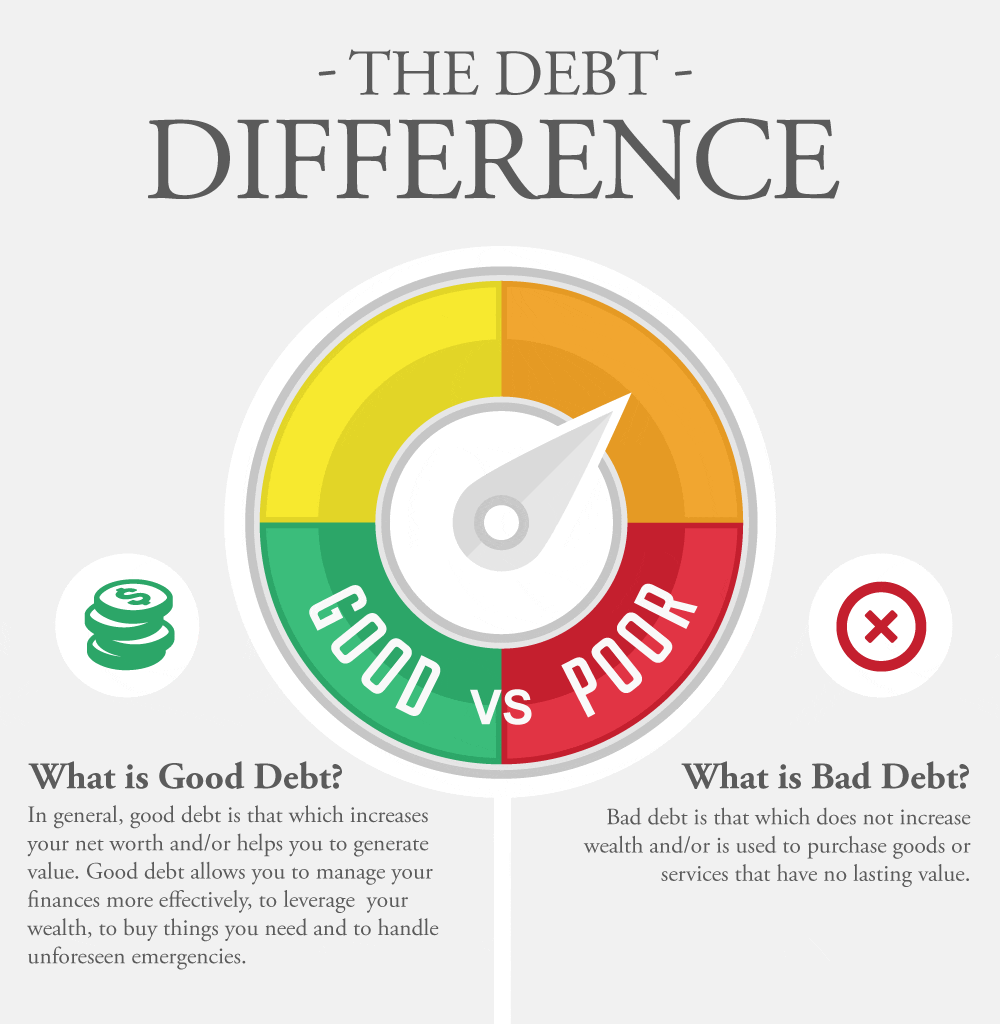
In today’s financial landscape, understanding the nuances of debt is more important than ever. Not all debt is created equal; differentiating between Good Debt and Bad Debt can have a profound impact on your financial health and future. While some debts can pave the way to greater opportunities and financial growth, others can lead you down a path of financial instability and stress. This blog post will explore the characteristics that distinguish Good Debt from Bad Debt, how to leverage good debts for wealth-building, the risks associated with poor debt choices, and effective strategies for managing your financial obligations. By enhancing your financial literacy, you can make informed decisions that lead to a more secure and prosperous future.
Understanding Good Debt and Bad Debt
Navigating the financial landscape can be tricky, especially when it comes to understanding the difference between Good Debt and Bad Debt. Here’s a quick guide to help you differentiate:
- Good Debt: This type generally contributes to your financial growth. It often includes:
- Mortgages: Investing in real estate can appreciate over time.
- Student Loans: Education can lead to higher earning potential.
- Business Loans: Funding for startups can generate profits.
- Bad Debt: This debt typically detracts from your financial health. It often includes:
- Credit Card Debt: High interest rates can accumulate quickly.
- Auto Loans: Cars depreciate, often losing value faster than the loan term.
- Payday Loans: Exceptionally high interest rates make repayment challenging.
| Debt Type | Good Debt | Bad Debt |
|---|---|---|
| Purpose | Investment or growth | Consumption or lifestyle |
| Interest Rate | Generally lower | Often high |
| Repayment Impact | Builds wealth | Financial strain |
By recognizing these distinctions, you can make informed decisions that contribute positively to your financial well-being. Understanding Good Debt versus Bad Debt is an essential step toward effective financial management.

Characteristics of Good Debt
Understanding the Good Debt concept is crucial for making informed financial decisions. Here are some defining characteristics of Good Debt that can lead to long-term benefits:
| Characteristic | Description |
|---|---|
| Purposeful Investment | Good debt is often used to finance valuable assets that appreciate over time, like real estate or education. |
| Low-Interest Rates | Typically, Good Debt features lower interest rates, allowing for manageable repayment without excessive financial strain. |
| Potential for Income | It often creates opportunities for generating income, such as loans taken out to invest in rental properties or businesses. |
| Future Value Creation | Good debt can contribute to wealth accumulation, as it is considered an investment in future financial stability. |
| Tax Benefits | Certain types of Good Debt, such as mortgage loans, may provide tax deductions, further easing the financial burden. |
By identifying these characteristics, you can distinguish Good Debt from its counterpart, enabling smarter financial choices that foster growth and stability.
Characteristics of Bad Debt
Identifying Bad Debt is essential for maintaining financial health. High-interest rates characterize it, meaning borrowers may pay significantly more over time. For example, credit cards often carry exorbitant fees. Additionally, impulse purchases contribute to Bad Debt; buying non-essential items creates financial stress and doesn’t build value.
Another feature of Bad Debt is its lack of investment potential. Unlike loans used for education or property, which can appreciate in value, Bad Debt often pertains to depreciating assets.
Here’s a quick comparison to illustrate:
| Characteristics | Good Debt | Bad Debt |
|---|---|---|
| Interest Rates | Usually lower | Usually higher |
| Purpose | Investments, education | Impulse purchases, luxuries |
| Asset Value Growth | Appreciates in value | Depreciates |
| Long-term Impact | Positive financial growth | Financial strain |
Understanding these distinctions will help you make informed financial decisions and avoid the pitfalls associated with Bad Debt.
How Good Debt Can Build Wealth
Leveraging Good Debt is a powerful strategy for wealth building. Here’s how:
- Investment in Assets: Good Debt typically involves borrowing to acquire appreciating assets, such as real estate or stocks. These investments can yield returns over time, contributing to your net worth.
- Future Earnings Potential: Financing higher education or specialized training often leads to greater earning potential in your career. This investment in yourself can pay off significantly in the long run, increasing your salary and job opportunities.
- Tax Benefits: Certain Good Debts, like mortgage loans, come with tax advantages. Homeowners can often deduct mortgage interest, reducing their taxable income and boosting their overall wealth.
| Characteristic | Good Debt | Impact on Wealth |
|---|---|---|
| Purpose | Investment in assets or education | Can lead to wealth growth |
| Interest Rates | Usually low or manageable | Less financial strain |
| Repayment | Structured with predictable terms | Easier to manage over time |
| Tax Advantages | Often available (e.g., mortgage) | Reduces overall tax burden |
By strategically utilizing Good Debt, you can create a solid foundation for long-term financial success and stability.
The Risks Associated with Bad Debt
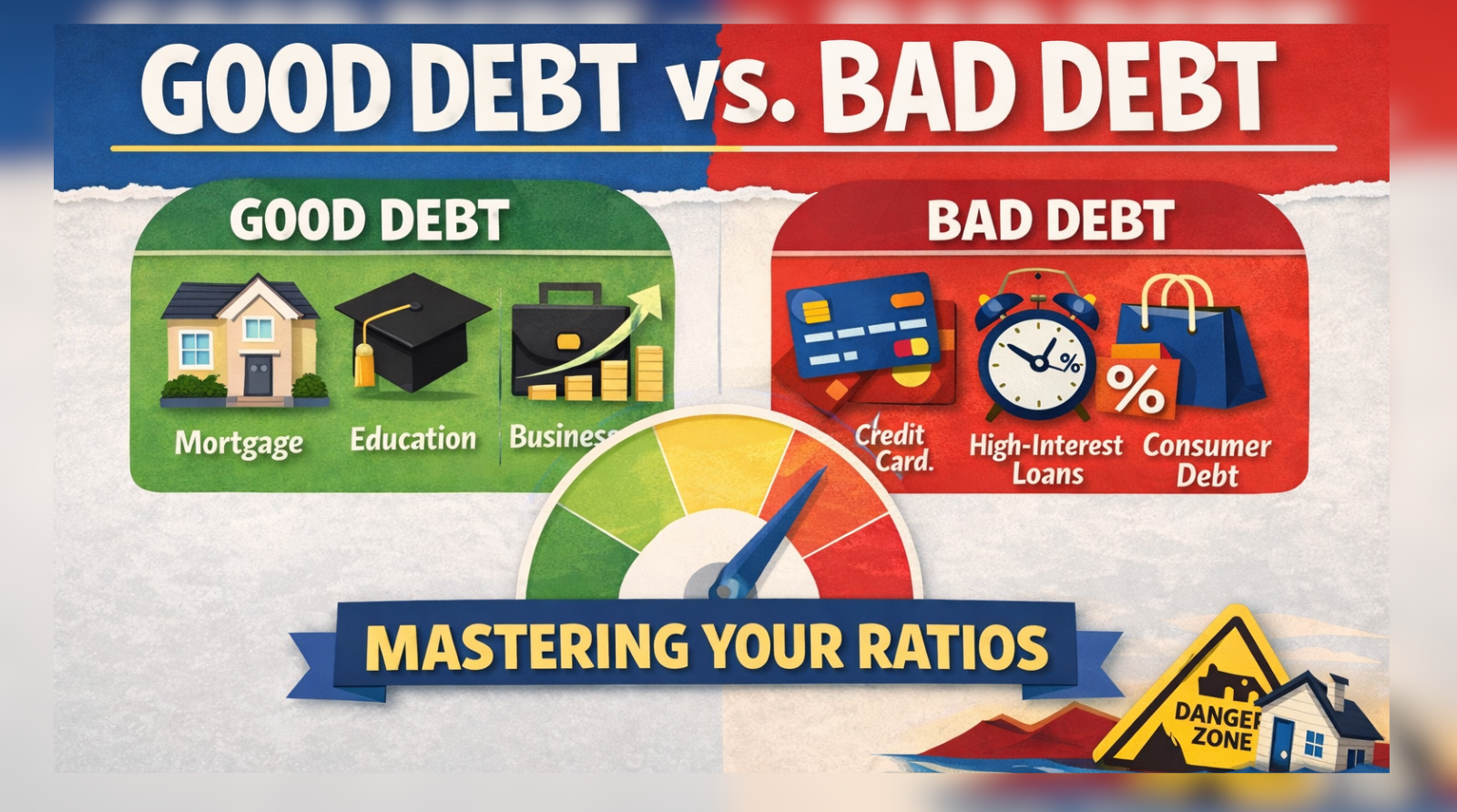
Bad debt can lead to significant financial pitfalls. Understanding these risks is crucial for maintaining a healthy financial status. Here are some key points to consider:
| Risk Factor | Description |
|---|---|
| High Interest Rates | Bad debt often comes with exorbitant interest, escalating overall costs. |
| Credit Score Damage | Accumulating bad debt can negatively impact your credit score, making future borrowing challenging. |
| Increased Financial Stress | Managing bad debt can cause anxiety and stress, affecting overall well-being. |
| Limited Financial Freedom | Owing money can restrict your ability to make significant purchases or investments. |
| Potential for Collection Issues | Unpaid bad debt can lead to collection activities, further complicating finances. |
By being aware of these risks, individuals can take proactive measures to avoid falling into the trap of Good Debt‘s less fortunate counterpart. Prioritizing responsible borrowing and repayment strategies will help mitigate these hazards and promote a healthier financial future.
Strategies to Manage Good Debt Effectively
Managing Good Debt effectively is crucial for maintaining financial health and leveraging opportunities for growth. Here are some practical strategies:
- Budget Wisely: Create a detailed budget that includes your debt repayments. This allows you to see how much you can allocate toward Good Debt while ensuring you meet other financial obligations.
- Prioritize Payments: Focus on higher-interest debts first, even if they are categorized as good, to reduce overall interest paid. Consider using the avalanche method for efficiency.
- Stay Informed: Keep track of your loans and investments. Regularly review interest rates and terms, allowing you to refinance if better options arise.
- Emergency Fund: Establish an emergency fund to avoid going into bad debt during unforeseen circumstances. This ensures you can pay off your good debt without resorting to higher-interest loans.
| Strategy | Description |
|---|---|
| Budget Wisely | Allocate resources for debt repayment |
| Prioritize Payments | Focus on high-interest debts first |
| Stay Informed | Regularly review loans and refinancing options |
| Build an Emergency Fund | Prepare for unexpected expenses |
By implementing these strategies, you can harness the advantages of Good Debt, ultimately enhancing your financial situation and paving the way for wealth building.
The Importance of Financial Literacy in Distinguishing Debt Types
Understanding the differences between Good Debt and Bad Debt is essential for effective financial management. Financial literacy empowers individuals to make informed decisions regarding their borrowing habits. Here are some key factors that highlight its importance:
- Awareness: Knowledge about debt types helps individuals identify which debts can help build wealth and which may lead to financial strain.
- Risk Assessment: Financial literacy enables people to evaluate potential risks associated with Bad Debt, reducing the likelihood of overextending themselves.
- Strategic Planning: Being financially literate facilitates better budgeting, ensuring that debt is used judiciously rather than impulsively.
| Factor | Good Debt | Bad Debt |
|---|---|---|
| Purpose | Investment in future assets | Unnecessary purchases |
| Potential Growth | Increases net worth | Decreases financial stability |
| Interest Rates | Often lower, manageable | Typically higher, burdensome |
By enhancing financial literacy, individuals can make better choices, prioritize long-term benefits, and ultimately classify debt more effectively. This knowledge transforms debt from a financial burden into a strategic tool for wealth-building.