What Is Personal Finance? Everything You Need to Know
Navigating the often complex world of finances can seem overwhelming, but understanding the fundamentals can empower you to take control of your financial future. In this comprehensive guide, we will delve into the essentials of Personal Finance, exploring key topics like budgeting, saving strategies, and investing basics tailored for beginners. Whether you’re looking to manage existing debt or set achievable financial goals, this post will provide you with the knowledge and resources you need to enhance your financial literacy and build a secure economic foundation. Join us as we unpack everything you need to know about managing your money effectively.
Understanding Personal Finance
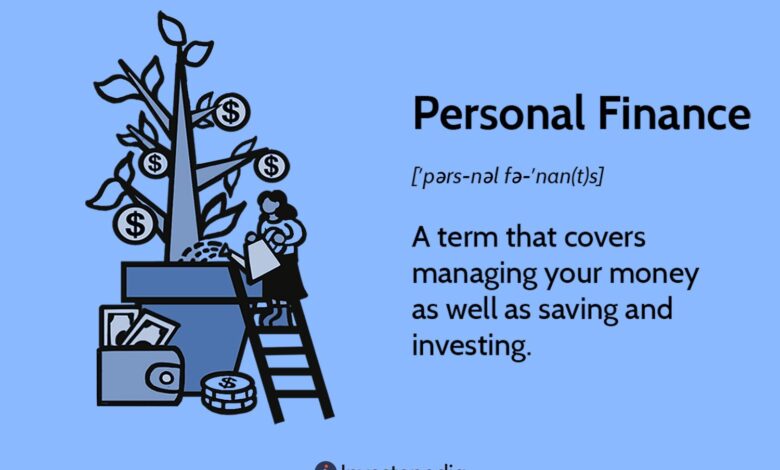
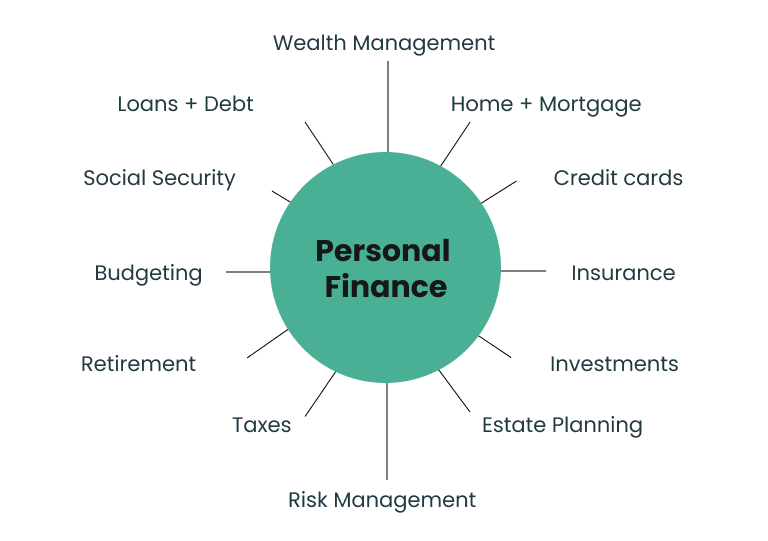
Personal Finance encompasses the management of your money, including budgeting, saving, and investing. By mastering these concepts, individuals can achieve financial stability and reach their goals. Here are key components of Personal Finance:
- Income: The money you earn from various sources.
- Expenses: The costs incurred, including fixed (like rent) and variable (like groceries).
- Savings: The portion of income set aside for future needs or emergencies.
- Investments: Growing wealth through financial instruments (stocks, bonds, etc.).
| Component | Definition | Importance |
|---|---|---|
| Income | Money earned through work or investments | Foundation for financial planning |
| Expenses | Money spent on needs and wants | Awareness for effective budgeting |
| Savings | Funds allocated for future use | Safety net and achieving goals |
| Investments | Assets purchased to grow wealth | Long-term financial growth potential |
Understanding these fundamentals is essential for making informed decisions, which ultimately leads to a brighter financial future.

The Importance of Budgeting
Budgeting serves as the backbone of Personal Finance management. By tracking income and expenses, individuals gain valuable insights into their financial health. Here are some key benefits of effective budgeting:
| Benefits of Budgeting | Description |
|---|---|
| Spending Awareness | Helps identify and eliminate unnecessary expenses. |
| Goal Achievement | Facilitates saving for future goals like vacations or homes. |
| Debt Management | Assists in allocating funds to pay off debts systematically. |
| Financial Security | Builds an emergency fund, providing a safety net for unforeseen events. |
| Stress Reduction | Reduces anxiety by creating a clear financial plan. |
Establishing a budget not only aids in building wealth, but it also empowers individuals to make informed financial decisions. Emphasizing the necessity of budgeting allows for a more organized and proactive approach to tackling Personal Finance challenges.
Saving Strategies for Everyone
Effective Personal Finance begins with smart saving strategies. First, consider creating a budget to track your income and expenses, which can help identify areas for savings. A popular method is the 50/30/20 rule: allocate 50% of your income to needs, 30% to wants, and 20% to savings.
Next, automate your savings by setting up a direct deposit into a dedicated savings account. This can make saving feel effortless. Additionally, take advantage of employer-sponsored retirement plans, like a 401(k), particularly if they offer matching contributions.
| Strategy | Description | Benefits |
|---|---|---|
| 50/30/20 Rule | Budgeting method that divides income | Clear savings targets |
| Automated Savings | Direct deposits to savings accounts | Consistent saving with less effort |
| Employer Retirement Plans | 401(k) or similar plans with company match | Potential free money through matching |
Furthermore, establish an emergency fund to cover unexpected expenses, ideally covering 3-6 months of living costs. By implementing these saving techniques, anyone can bolster their financial foundation and work towards achieving their goals in Personal Finance.
Investing Basics for Beginners
Investing can seem intimidating, but understanding its fundamentals is crucial for building a healthy Personal Finance portfolio. Here are some basic concepts every beginner should know:
- Types of Investments:
- Stocks: Ownership in a company, offering the potential for high returns but also higher risk.
- Bonds: Loans to companies or governments which pay interest over time, generally considered safer than stocks.
- Mutual Funds: Pooled investments managed by a professional, allowing diversification with a single purchase.
- Investment Strategies:
- Buy and Hold: Purchase stocks and hold them for the long term.
- Dollar-Cost Averaging: Investing a fixed amount regularly, which reduces the impact of volatility.
- Diversification: Spreading investments across various assets to manage risk.
| Investment Type | Risk Level | Potential Return | Recommended For |
|---|---|---|---|
| Stocks | High | High | Growth-focused investors |
| Bonds | Low to Medium | Moderate | Conservative investors |
| Mutual Funds | Varies | Varies | Beginner investors seeking diversification |
By mastering these basics, you will lay a solid foundation for your investment journey and enhance your overall understanding of Personal Finance.
Debt Management and Reduction
Managing debt can be daunting, yet it is crucial for maintaining financial health. Effective Personal Finance strategies can help you regain control and reduce your debt. Below are some key points and tactics to consider:
| Strategy | Description |
|---|---|
| Create a Budget | Track income and expenditures to identify debt levels. |
| Prioritize Payments | Focus on high-interest debts first to save on interest. |
| Consolidate Loans | Combine multiple debts into a single loan with a lower rate. |
| Negotiate With Creditors | Discuss repayment plans or loan modifications with lenders. |
| Stay Informed | Educate yourself on financial terms to make smart choices. |
By following these strategies, you can effectively manage and reduce your debt. Emphasizing a disciplined approach will not only improve your Personal Finance situation but also enhance your overall financial well-being. When you actively work toward reducing debt, you pave the way for a more stable financial future.
Financial Goals and Planning
Setting financial goals is crucial for achieving long-term stability and peace of mind. By identifying both short-term and long-term objectives, you can create a structured plan that aligns with your desires and capabilities.
Types of Financial Goals:
| Short-Term Goals | Long-Term Goals |
|---|---|
| Build an emergency fund | Save for retirement |
| Pay off credit card debt | Purchase a home |
| Save for a vacation | Fund children’s education |
To ensure success, prioritize your goals based on urgency and importance. Start by assessing your current financial situation, which includes income, expenses, and existing debts. From there, you can establish clear, measurable targets.
Additionally, remember to regularly review and adjust your plans. Life circumstances change, and your financial approach should adapt accordingly. Creating detailed actionable steps can help streamline your path to achieving your personal finance objectives, making your financial journey more rewarding and less stressful.
Resources for Personal Finance Education
When it comes to Personal Finance, having the right resources at your fingertips is crucial for gaining knowledge and building confidence in managing your finances. Here are some valuable resources to consider:
- Books:
- The Total Money Makeover by Dave Ramsey
- Rich Dad Poor Dad by Robert Kiyosaki
- Your Money or Your Life by Vicki Robin
- Online Courses:
- Coursera and Udemy offer a plethora of courses ranging from budgeting basics to advanced investment strategies.
- Khan Academy has free financial literacy courses.
- Podcasts:
- “The Dave Ramsey Show” provides practical advice on budgeting and debt reduction.
- “Radical Personal Finance” offers in-depth discussions on many personal finance topics.
- Websites and Blogs:
- Investopedia is perfect for learning financial terms and concepts.
- The Simple Dollar offers articles on budgeting, saving, and managing debt.
| Resource Type | Examples |
|---|---|
| Books | The Total Money Makeover |
| Online Courses | Coursera, Khan Academy |
| Podcasts | The Dave Ramsey Show |
| Websites and Blogs | Investopedia, The Simple Dollar |
Leveraging these resources can empower you to take control of your Personal Finance journey effectively.