How Bitcoin Works (Simple Explanation)

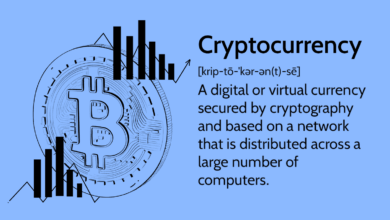
In today’s digital age, cryptocurrencies have taken the financial world by storm, with Bitcoin being the frontrunner in this revolutionary movement. As millions of people seek to understand this groundbreaking currency, it’s essential to explore how it functions in simple terms. This blog post will demystify the mechanics behind Bitcoin, covering everything from the underlying blockchain technology to the intricacies of transactions, mining, and the importance of digital wallets. Join us as we break down these complex concepts into easily digestible explanations and consider what the future may hold for Bitcoin and the ever-evolving landscape of cryptocurrency.
What is Bitcoin?
Bitcoin is a revolutionary digital currency that operates without a central authority or single administrator. Here are some essential points to better understand this innovative financial system:
- Decentralized Currency: Unlike traditional currencies, Bitcoin is not governed by banks or governments. Instead, it relies on a decentralized network of computers called nodes.
- Digital Nature: Bitcoin exists purely in digital form, allowing for fast and seamless transactions across borders without the need for intermediaries.
- Limited Supply: The total supply of Bitcoin is capped at 21 million coins, which helps maintain its value over time, unlike fiat currencies that can be printed at will.
- Transparency: Every transaction is recorded on a public ledger called the blockchain, which ensures transparency and prevents double-spending.
| Feature | Description |
|---|---|
| Type | Cryptocurrency |
| Year Launched | 2009 |
| Creator | Satoshi Nakamoto |
| Maximum Supply | 21 million Bitcoins |
| Transaction Speed | Approximately 10 minutes for confirmation |
Understanding these core aspects offers valuable insight into the transformative nature of Bitcoin and its potential to reshape our financial landscape.

How Does Bitcoin Work?
Bitcoin operates through a decentralized network that enables peer-to-peer transactions without the need for a central authority. Here are some key components that elucidate how it works:
| Component | Function |
|---|---|
| Blockchain | A public ledger that records all transactions securely and transparently. |
| Nodes | Computers that validate and relay transaction information on the network. |
| Transactions | Users send and receive Bitcoin using unique addresses, verified by nodes. |
| Mining | The process of solving complex mathematical problems to validate transactions and create new coins. |
| Wallets | Digital applications that store Bitcoin addresses and enable users to manage their funds. |
Through these interconnected elements, Bitcoin ensures security, transparency, and efficiency, revolutionizing the way value is transferred globally. Each transaction is encrypted and linked to the previous one, creating an immutable record that instills trust among users.
Understanding Blockchain Technology
Blockchain technology serves as the backbone of Bitcoin, ensuring security, transparency, and decentralization. Essentially, a blockchain is a distributed ledger that records transactions across multiple computers. This ensures that every participant has access to the complete history of transactions and prevents any unauthorized alterations.
Key Features of Blockchain:
| Feature | Description |
|---|---|
| Decentralization | No single entity controls the network; all nodes share responsibility. |
| Transparency | All transactions are publicly available, allowing for verification. |
| Immutability | Once recorded, data cannot be changed without consensus from the network. |
| Security | Cryptographic techniques secure the blockchain, making it resistant to hacking. |
In summary, blockchain technology not only underpins Bitcoin but also creates a secure environment for a multitude of other applications in various industries. This innovative approach empowers users to interact safely and transparently, paving the way for a new digital era.
Bitcoin Transactions Explained
Understanding Bitcoin transactions is crucial for anyone entering the cryptocurrency world. Here’s a simplified breakdown:
- Functionality: Each transaction involves sending Bitcoin from one wallet to another, recorded on the blockchain.
- Verification: Transactions are verified by network nodes through cryptography, ensuring security and transparency.
- Fees: A small fee is charged to incentivize miners to validate the transaction.
Key Components of a Bitcoin Transaction
| Component | Description |
|---|---|
| Input | Refers to the source of the funds for the transaction. |
| Output | The recipient’s wallet address where Bitcoin is sent. |
| Signature | A unique code proving authorization of the transaction by the sender. |
By grasping these essentials, individuals can navigate through Bitcoin transactions with greater confidence and understanding.

Mining and Its Role in Bitcoin
Mining plays a crucial role in the Bitcoin ecosystem by validating transactions and ensuring the security of the network. Essentially, mining involves solving complex mathematical problems, which allows miners to add new blocks to the blockchain. This process not only keeps the system decentralized but also introduces new Bitcoin into circulation.
Here are some key points about Bitcoin mining:
| Key Aspect | Description |
|---|---|
| Purpose | Validates transactions and adds them to the blockchain. |
| Process | Miners compete to solve cryptographic puzzles, requiring significant computational power. |
| Rewards | Successfully mining a block rewards miners with new Bitcoin and transaction fees. |
| Difficulty Adjustment | The mining difficulty adjusts every 2016 blocks to ensure a steady rate of block creation. |
| Environmental Impact | Mining consumes significant energy, leading to discussions about sustainability. |
By understanding mining, one can appreciate its integral role in maintaining the integrity and function of the Bitcoin network.
Bitcoin Wallets: Storing Your Bitcoin
Storing Bitcoin safely is crucial for every user, and that’s where Bitcoin wallets come into play. These digital tools allow you to manage and safeguard your cryptocurrencies. There are several types of wallets available, each with distinct features.
| Wallet Type | Description | Security Level | Best For |
|---|---|---|---|
| Hot Wallet | Connected to the internet; easily accessible. | Low to Medium | Daily transactions |
| Cold Wallet | Offline storage; includes hardware and paper wallets. | High | Long-term storage |
| Mobile Wallet | Apps designed for smartphones; convenient and portable. | Medium | Quick access |
| Desktop Wallet | Installed on your computer; offers more control over your funds. | Medium to High | Regular use on personal devices |
Choosing the right wallet is essential based on your needs and intended usage. Hot wallets offer convenience, while cold wallets provide enhanced security. Therefore, assessing your priorities is key before selecting the best way to store your Bitcoin. Proper storage ensures that your investments remain safe from potential threats.
The Future of Bitcoin and Cryptocurrency
The future of Bitcoin and cryptocurrency is both exciting and uncertain, with several key trends and developments to watch:
- Adoption by Businesses: More businesses are beginning to accept Bitcoin as a form of payment. This trend indicates growing confidence in cryptocurrency’s viability.
- Regulatory Changes: As governments formulate regulations, the landscape for cryptocurrency is evolving. This could either stifle growth or provide a framework for stability.
- Technological Advancements: Innovations such as layer-two solutions aim to enhance transaction speed and reduce fees. These developments can make cryptocurrency more accessible to everyday users.
- Environmental Concerns: The impact of mining on the environment has led to a push for sustainable practices. Companies are exploring eco-friendly methods to support the mining process.
- Institutional Investment: Increasing interest from institutional investors is lending legitimacy to the market, suggesting a bullish future for cryptocurrencies.
| Trend | Potential Impact |
|---|---|
| Adoption by Businesses | Increased legitimacy and usage |
| Regulatory Changes | Possible stabilization or restriction |
| Technological Advancements | Enhanced user experience and scalability |
| Environmental Concerns | Shift towards sustainable mining practices |
| Institutional Investment | Greater market stability and growth opportunities |
While the journey of Bitcoin and other cryptocurrencies continues to unfold, keeping an eye on these trends can help us understand what lies ahead.