What Is Finance? A Complete Beginner’s Guide
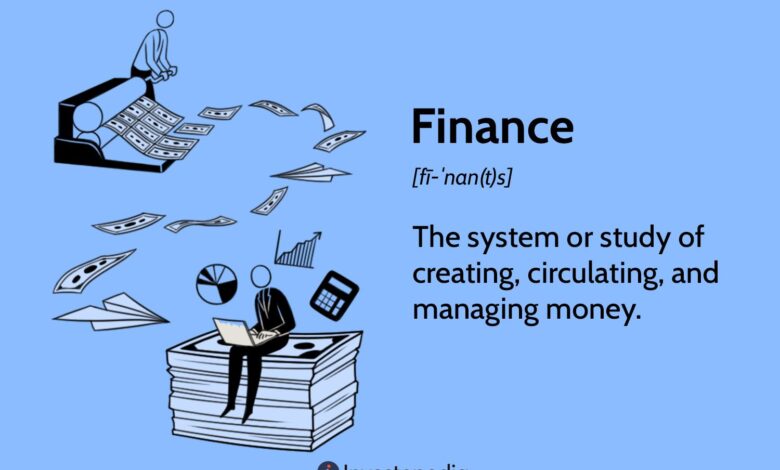
In today’s fast-paced world, having a solid grasp of Finance is essential for anyone looking to navigate the complex landscape of money management. Whether you’re a student eager to understand financial concepts, a young professional aiming to optimize your personal wealth, or a budding entrepreneur interested in managing company funds, this complete beginner’s guide will equip you with the foundational knowledge you need. From the various branches of finance to the critical role it plays in both personal and business contexts, we will explore key concepts, discuss the significance of financial markets, and even highlight potential career opportunities in this diverse field. Join us as we demystify finance and unlock the tools you need for financial success.
Understanding Finance: Definition and Importance
Finance is a broad concept that encompasses the management, creation, and study of money, investments, and other financial instruments. Understanding Finance is crucial for both individuals and businesses, as it helps in making informed decisions regarding resources.
Key Aspects of Finance:
- Definition: Finance refers to the processes of acquiring, allocating, and using funds effectively over time.
- Importance:
- Resource Management: Proper financial management aids in optimizing income and reducing expenses.
- Investment Planning: Encourages informed decisions about saving and investing.
- Risk Mitigation: Helps in identifying, analyzing, and managing risk factors.
Table: Importance of Finance
| Aspect | Explanation |
|---|---|
| Resource Allocation | Ensures optimal use of available resources |
| Financial Planning | Supports long-term financial goals and stability |
| Decision Making | Equips individuals and businesses to make strategic choices |
By comprehending these foundational aspects, one can appreciate why Finance is pivotal in achieving both personal and organizational goals.

The Different Branches of Finance
Understanding the different branches of Finance is essential for anyone looking to gain comprehensive knowledge in the field. Each branch plays a vital role in the overall financial ecosystem. Here are the main branches to familiarize yourself with:
| Branch | Description |
|---|---|
| Personal Finance | Focuses on managing individual finances, including budgeting, saving, and investing. |
| Corporate Finance | Deals with funding sources, capital structure, and investment decisions for businesses. |
| Public Finance | Involves governmental financial management, public spending, and budgeting. |
| Investment Finance | Centers on managing assets and investment portfolios to achieve optimal returns. |
| Financial Markets | Encompasses the markets where financial assets are traded, affecting liquidity and pricing. |
Each branch plays a crucial role, contributing to personal wealth, corporate strategy, and macroeconomic stability. By recognizing these distinctions, beginners can tailor their learning and career paths within the vast realm of Finance.
Key Concepts in Finance Every Beginner Should Know
Understanding Finance is essential for making informed decisions, whether in personal or business contexts. Some key concepts every beginner should grasp include:
- Time Value of Money: This principle asserts that a dollar today is worth more than a dollar in the future due to its potential earning capacity.
| Concept | Explanation |
|---|---|
| Time Value of Money | Future value vs. present value |
| Risk and Return | Higher potential returns often come with greater risk |
| Diversification | Spreading investments to minimize risk |
| Liquidity | The ease of converting an asset into cash |
- Risk and Return: Investments entail varying levels of risk; generally, higher returns are associated with higher risks.
- Diversification: By spreading your investments across different assets, you can reduce risk and enhance the potential for stable returns.
- Liquidity: This concept refers to how quickly an asset can be converted into cash without significant loss of value. Understanding these basics will provide a solid foundation for navigating the world of finance effectively.
The Role of Finance in Personal Wealth Management
Understanding Finance is crucial for effective personal wealth management. It empowers individuals to make informed decisions about their resources. Here are key roles that Finance plays in managing personal wealth:
- Budgeting: Creating a budget helps track income and expenses, ensuring efficient use of funds.
- Investing: Proper financial planning enables growth through investment in stocks, bonds, or real estate.
- Savings: Setting aside money for emergencies or future needs is essential for financial security.
- Debt Management: Effective finance strategies help manage debts, reducing stress and enhancing credit scores.
- Retirement Planning: Preparing for retirement involves understanding and maximizing savings and investment options.
| Key Role | Importance |
|---|---|
| Budgeting | Tracks income and expenses |
| Investing | Grows wealth over time |
| Savings | Provides financial security |
| Debt Management | Reduces financial stress |
| Retirement Planning | Ensures financial stability in later years |
By recognizing these components, individuals can harness the power of Finance to secure their financial future and achieve their wealth management goals.

Finance in Business: How Companies Manage Funds
In the world of business, effective finance management is crucial for sustainability and growth. Companies utilize various strategies to ensure that funds are allocated efficiently. Here’s a brief overview of how businesses manage their finances:
| Aspect | Description |
|---|---|
| Budgeting | Companies create budgets to predict income and control expenditures. |
| Capital Structure | Firms decide on the best mix of debt and equity to finance operations. |
| Cash Flow Management | Monitoring cash inflows and outflows to maintain liquidity. |
| Financial Analysis | Conducting analyses to assess profitability and efficiency. |
| Investment Planning | Choosing where to invest funds for optimum returns. |
By focusing on these key aspects, businesses can make informed financial decisions that not only support their operational goals but also enhance long-term value. Understanding these fundamental practices enables companies to navigate the complexities of the economic landscape effectively.
The Impact of Financial Markets on Economy and Society
Financial markets play a crucial role in both the economy and society at large. These markets serve as platforms where capital is allocated, allowing businesses to raise funds for expansion and innovation. Here’s a brief overview of their impact:
| Aspect | Positive Impact | Negative Impact |
|---|---|---|
| Economic Growth | Encourages investments and job creation | Market volatility can lead to economic instability |
| Access to Capital | Provides businesses, especially startups, funding | Can create an uneven playing field, favoring large firms |
| Wealth Distribution | Facilitates wealth growth for investors | Can enhance economic inequality |
| Consumer Confidence | Boosts trust in the economy | Market crashes can lead to panic and reduced spending |
Through efficient capital allocation, financial markets enable economic development and help societies attain higher living standards. However, they can also introduce risks that may affect all segments of society. Understanding these dynamics is essential for anyone interested in the broader implications of finance in our daily lives.
Career Opportunities in Finance for Beginners
Entering the world of Finance can lead to a diverse range of exciting career paths. Beginners can explore various fields, each offering unique opportunities for growth and development. Here are some promising career options in the financial sector:
- Financial Analyst: Evaluate investment opportunities and provide insights to guide business decisions.
- Accountant: Manage financial records, prepare tax returns, and ensure compliance with regulations.
- Investment Banker: Help companies raise capital by underwriting and selling securities.
- Financial Advisor: Assist individuals in managing their personal finances and investment portfolios.
- Risk Manager: Identify and analyze potential financial risks and develop strategies to mitigate them.
| Career Path | Key Responsibilities | Skills Required |
|---|---|---|
| Financial Analyst | Analyze financial data, report on trends | Analytical, communication skills |
| Accountant | Recordkeeping, auditing, prepare taxes | Detail-oriented, organizational |
| Investment Banker | Raise funds, advise on mergers and acquisitions | Negotiation, financial modeling |
| Financial Advisor | Provide financial planning advice | Interpersonal, logical thinking |
| Risk Manager | Assess risks, create contingency plans | Problem-solving, analytical skills |
With the right education and a willingness to learn, beginners can carve a successful niche in the Finance industry, contributing to personal and organizational wealth management.