What Is Cryptocurrency? Beginner’s Guide
In recent years, the world of finance has been revolutionized by the emergence of Cryptocurrency, a digital form of currency that operates independently of traditional banking systems. As more people seek alternatives to conventional money, understanding the fundamentals of digital currencies becomes essential. This beginner’s guide aims to demystify the concept of Cryptocurrency, exploring its fascinating history, how it functions, the various types available, and the benefits and challenges associated with it. Whether you’re curious about investing or simply want to learn about this digital innovation, we’ve got you covered with a comprehensive overview of everything you need to know to get started on your cryptocurrency journey.
What Is Cryptocurrency?
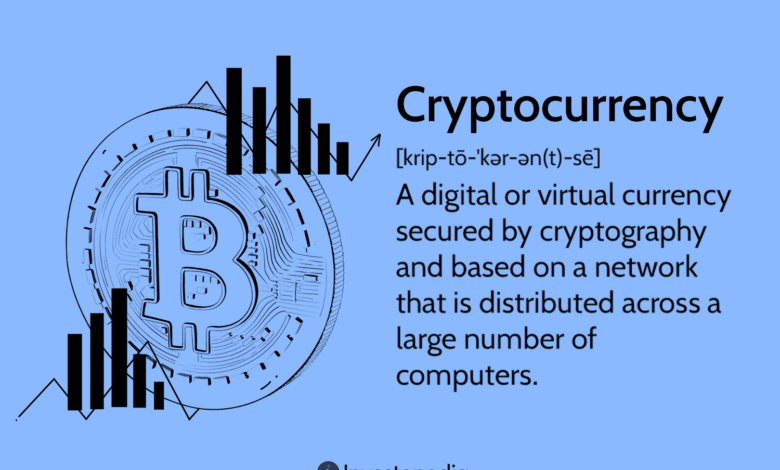
Cryptocurrency is a digital or virtual form of currency that relies on cryptography for secure transactions. Unlike traditional currencies issued by governments, cryptocurrencies operate on decentralized networks, commonly based on blockchain technology. This fundamental structure offers several key characteristics:
- Decentralization: No single entity controls the cryptocurrency network, enhancing transparency and reducing risk of manipulation.
- Security: Transactions are secured through cryptographic techniques, making it highly resistant to fraud.
- Anonymity: Users can retain a degree of privacy, as transactions don’t require personal information.
Key Characteristics of Cryptocurrency
| Feature | Description |
|---|---|
| Digital | Exists only in electronic form. |
| Encrypted | Uses cryptographic principles for security. |
| Global | Accessible to anyone with an internet connection. |
| Limited Supply | Many cryptocurrencies have a capped maximum supply, creating scarcity. |
Understanding cryptocurrency is crucial for navigating the evolving digital economy. As more individuals and businesses begin to adopt it, grasping its underlying principles becomes increasingly important.

The History of Cryptocurrency
The evolution of cryptocurrency is a fascinating journey that began in the late 20th century. Here are some key milestones that shaped the world of digital currency:
| Year | Event | Description |
|---|---|---|
| 1983 | Introduction of DigiCash | David Chaum introduced a form of digital cash, laying the groundwork for future cryptocurrencies. |
| 1998 | Emergence of b-money and Bit Gold | Wei Dai and Nick Szabo conceptualized decentralized digital currency systems, highlighting its potential. |
| 2009 | Launch of Bitcoin | Satoshi Nakamoto introduced Bitcoin, the first successful decentralized cryptocurrency, revolutionizing finance. |
| 2015 | Introduction of Ethereum | Vitalik Buterin launched Ethereum, showcasing smart contracts and expanding the capabilities of cryptocurrency. |
Each of these moments played a crucial role in building a foundation for what we know today. As technology advanced, so did the concepts and implementations of digital currencies, helping to pave the way for diverse applications in the financial sector and beyond.
How Does Cryptocurrency Work?
Cryptocurrency operates on a technology known as blockchain. This decentralized ledger records all transactions across a network of computers, ensuring transparency and security. Here’s a simplified breakdown of how it works:
- Transaction Initiation: A user initiates a transaction using digital wallets, which store their cryptocurrency.
- Validation: Miners verify the transaction by solving complex mathematical problems. This prevents fraud and double spending.
- Block Creation: Once validated, transactions are grouped into a block, which is added to the blockchain.
- Consensus Mechanism: Networks often utilize consensus protocols (like Proof of Work or Proof of Stake) to agree on the current version of the blockchain.
| Step | Description |
|---|---|
| Transaction Initiation | User sends or receives cryptocurrency |
| Validation | Miners/special nodes validate the transaction |
| Block Creation | Validated transactions created into blocks |
| Consensus Mechanism | Network ensures all copies of blockchain match |
Understanding this process can help beginners navigate the digital currency landscape more effectively. It highlights the importance of security and reliability in every cryptocurrency transaction.
Different Types of Cryptocurrencies
Understanding the various types of cryptocurrency can help you navigate this dynamic digital landscape. Here’s a breakdown of the main categories:
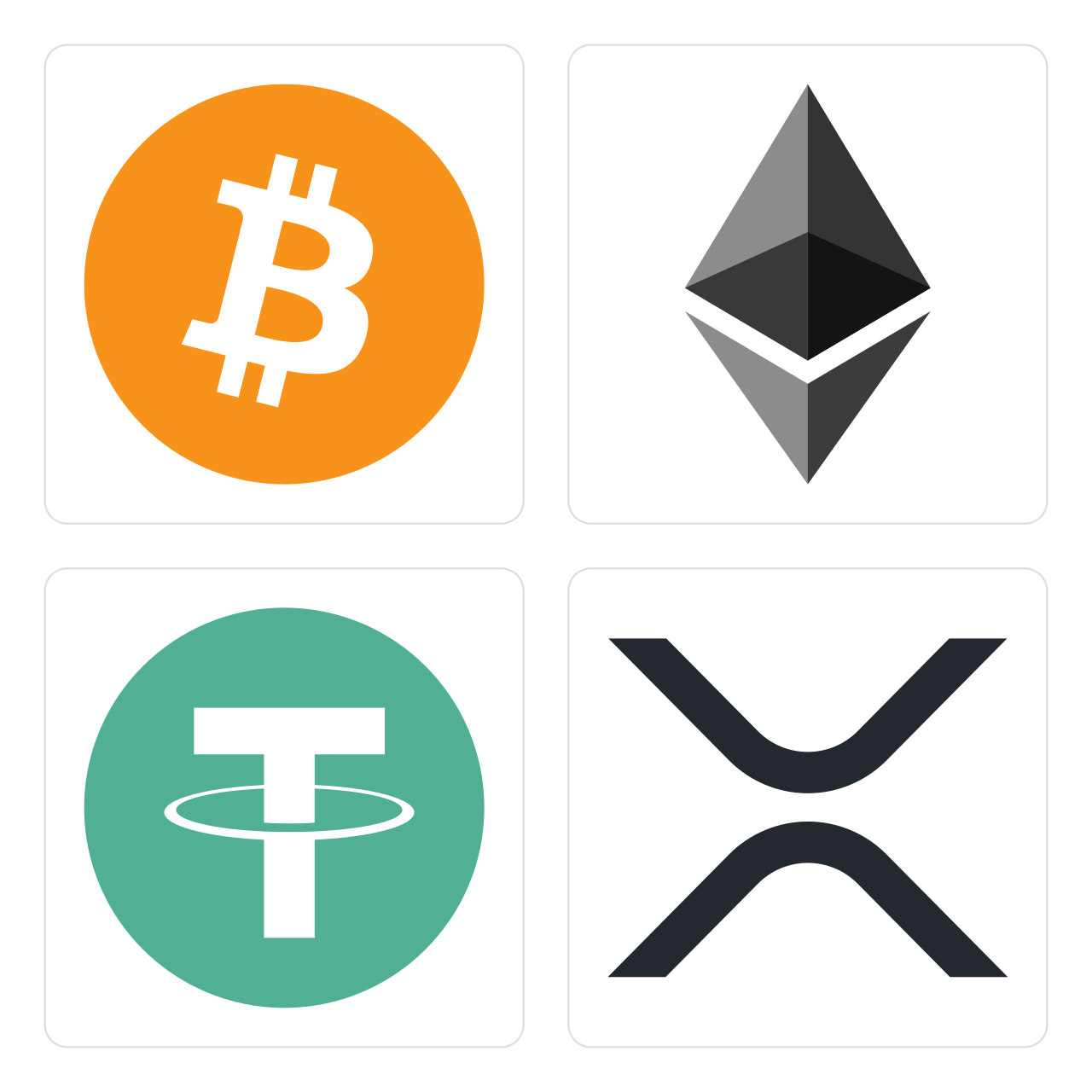
- Bitcoin (BTC):
- The first and most well-known cryptocurrency, created in 2009.
- Primarily used as a digital store of value.
- Altcoins:
- Refers to any cryptocurrency other than Bitcoin.
- Examples include Ethereum (ETH) and Ripple (XRP).
- Stablecoins:
- Pegged to stable assets like the US dollar.
- Examples: Tether (USDT), USD Coin (USDC).
- Tokens:
- Built on existing blockchains, like Ethereum.
- Used for various purposes, including utility and governance.
| Type | Purpose | Examples |
|---|---|---|
| Bitcoin | Digital currency | BTC |
| Altcoins | Various use cases | ETH, XRP |
| Stablecoins | Price stability | USDT, USDC |
| Tokens | Diverse functions | DAI, LINK |
With this knowledge, you can make informed decisions suitable for your financial goals in the ever-evolving world of cryptocurrency.
Benefits of Using Cryptocurrency
Embracing cryptocurrency offers numerous advantages that attract individuals and businesses alike. Here’s a quick overview of the most compelling benefits:
| Benefit | Description |
|---|---|
| Decentralization | Operates independently of central authorities, reducing the risk of manipulation. |
| Lower Transaction Fees | Enables faster and cheaper transactions compared to traditional banking methods. |
| Global Accessibility | Offers financial services to unbanked populations and promotes financial inclusivity. |
| Security and Privacy | Utilizes cryptographic techniques for enhanced security, ensuring user anonymity. |
| Investment Opportunities | Presents new avenues for wealth accumulation via trading and long-term holding. |
With these advantages in mind, many are turning to cryptocurrency as a viable alternative for daily transactions and long-term investments. The evolving landscape presents exciting opportunities for innovation and engagement.
Risks and Challenges
Despite the growing popularity of Cryptocurrency, it’s essential to understand the inherent risks and challenges associated with it. One significant risk is volatility; cryptocurrencies often experience drastic price fluctuations. For example, Bitcoin, once valued at nearly $20,000, saw significant dips within months.
Additionally, the security concerns surrounding digital wallets are notable. Unlike traditional banks, if you lose access to your cryptocurrency wallet, there’s often no way to recover your funds.
Here’s a brief comparison of some key risks:
| Risk Type | Description | Impact Level |
|---|---|---|
| Price Volatility | Rapid changes in value can lead to significant losses. | High |
| Security Issues | Vulnerability to hacks and scams can result in stolen assets. | Moderate to High |
| Regulatory Uncertainty | Changing laws and regulations can affect cryptocurrency legitimacy. | High |
Investors should also recognize the lack of consumer protections in many jurisdictions. Understanding these risks enables better-informed decisions in the ever-evolving landscape of Cryptocurrency.
Getting Started with Cryptocurrency
Embarking on your journey into the world of Cryptocurrency can be exciting yet daunting. To facilitate a smooth start, follow these essential steps:
- Educate Yourself:
- Familiarize yourself with terms like blockchain, wallets, and tokens.
- Utilize online resources, forums, or courses.
- Choose a Reliable Exchange:
- Research and select a reputable trading platform.
- Consider factors like security, fees, and user experience.
- Create a Digital Wallet:
- Decide between hot wallets (online) and cold wallets (offline) based on your needs.
- Secure your wallet with strong passwords and two-factor authentication.
- Start Small:
- Invest an amount you can afford to lose.
- Diversify your portfolio rather than placing all funds in one Cryptocurrency.
| Step | Description |
|---|---|
| Education | Learn key concepts and current trends. |
| Exchange Selection | Choose a user-friendly and secure platform. |
| Wallet Creation | Decide between hot and cold wallets for storage. |
| Investment Approach | Start small and diversify to mitigate risks. |
By following these steps, you can confidently navigate through your initial steps in the dynamic world of Cryptocurrency. Happy investing!