What Is Inflation and How Does It Affect You?
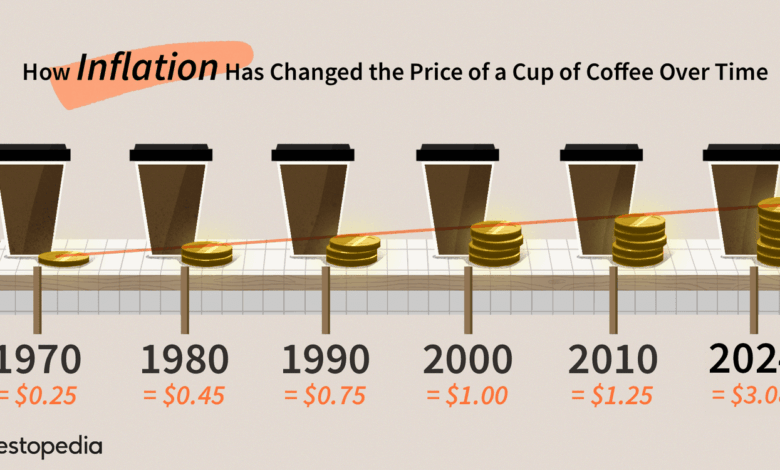
Have you ever noticed the prices of everyday goods creeping up, making you wonder where your hard-earned money has gone? Inflation is a pivotal economic concept that doesn’t just affect numbers on a page; it has real-world implications for your wallet and overall financial stability. In this blog post, we’ll dive deep into what inflation really means, explore the myriad factors driving it, and examine its various forms and effects on your purchasing power. We’ll also discuss how inflation influences your investment choices and the measures governments take to tame it. Finally, we’ll look ahead to the future of inflation and what it could mean for you and your financial landscape. Get ready to understand this complex phenomenon and gain valuable insights into navigating your economic reality.
Understanding Inflation: Definition and Key Concepts
Inflation is a crucial economic concept that refers to the general increase in prices of goods and services over time. As prices rise, the purchasing power of money decreases, affecting how far your dollars can stretch.
Key Concepts of Inflation include:
- Price Stability: Ideally, prices should remain stable to ensure a healthy economy. Excessive inflation disrupts this stability.
- Consumer Price Index (CPI): This index measures average changes in prices that consumers pay for a basket of goods and services, providing insight into inflation trends.
- Core Inflation: This term excludes volatile items like food and energy prices, offering a clearer view of long-term inflation trends.
| Concept | Description |
|---|---|
| Definition | General rise in prices that decreases purchasing power. |
| Impact on Economy | Can lead to higher interest rates and affects savings. |
| Measurement | Analyzed through tools such as CPI and PPI. |
Understanding these key concepts lays the foundation for a more comprehensive grasp of how inflation operates in the economy and your daily life.
The Causes of Inflation: What Drives Prices Up?
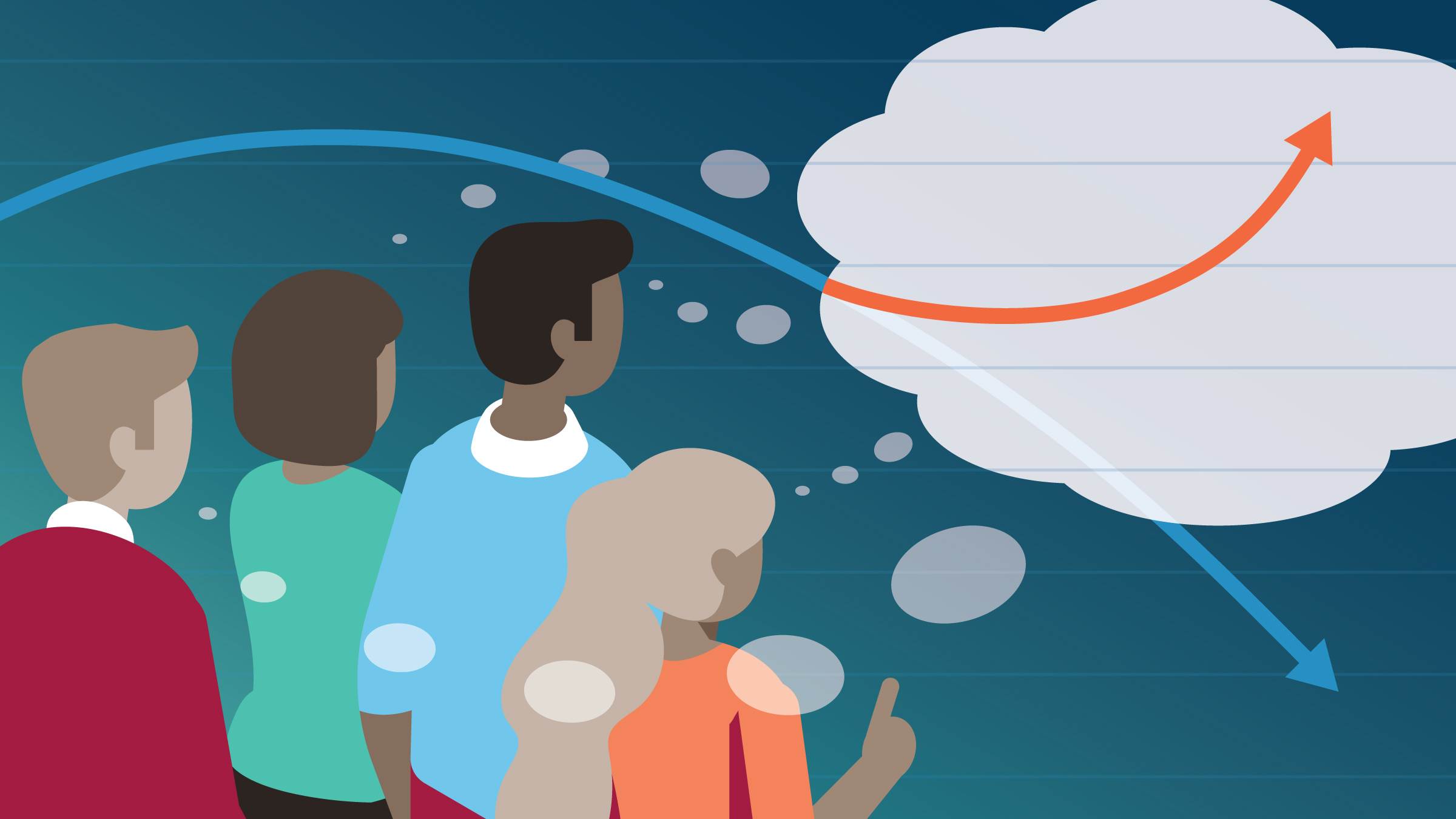
Understanding the causes of inflation is crucial for comprehending its impact on the economy and your daily life. Various factors contribute to rising prices, and identifying these can help you navigate financial decisions effectively. The primary drivers of inflation can be categorized as follows:
| Cause | Description |
|---|---|
| Demand-Pull | Occurs when demand for goods and services exceeds supply, pushing prices higher. |
| Cost-Push | Occurs when the costs of production rise (e.g., materials, wages), leading to higher prices for consumers. |
| Built-In | Arises from the expectation of future inflation, causing businesses to raise prices preemptively and workers to demand higher wages. |
| Monetary Expansion | Involves an increase in the money supply, often leading to higher spending and consequently, inflated prices. |
By examining these causes, you can better understand fluctuations in your purchasing power and make informed financial choices. Tracking these elements will also help you anticipate economic shifts that could affect your budgeting and investments over time.
The Different Types of Inflation and Their Impacts
Inflation takes various forms, each presenting unique economic implications. Understanding these types can empower you to make informed financial decisions.
- Demand-Pull Inflation occurs when demand for goods and services outpaces supply, often leading to higher prices. This type can signal a growing economy, but it may diminish purchasing power if unchecked.
- Cost-Push Inflation results from rising production costs, such as wages and raw materials. This can squeeze businesses and lead to costlier goods, impacting consumers’ budgets.
- Built-In Inflation, also known as wage-price inflation, arises when businesses raise prices in anticipation of increasing wage demands. This can create a vicious cycle, perpetuating sustained price rises.
| Type of Inflation | Causes | Impacts on Consumers |
|---|---|---|
| Demand-Pull Inflation | High consumer demand | Increased prices for goods |
| Cost-Push Inflation | Rising production costs | Higher living expenses |
| Built-In Inflation | Anticipated wage increases | Ongoing price increases |
In summary, different types of inflation have distinct causes and consequences that can directly impact your financial health and purchasing decisions. Being aware of these nuances helps you navigate economic shifts more effectively.
How Inflation Affects Your Purchasing Power
Inflation plays a significant role in diminishing the value of your money over time, impacting your purchasing power. Understanding how this works is essential for managing your finances effectively. Here are some key points to consider:
- Reduced Buying Capacity: As prices rise, each dollar buys fewer goods and services.
- Cost of Living Increase: Daily expenses for essentials like food, housing, and transportation can increase, leading to budgeting challenges.
Key Effects of Inflation on Purchasing Power
| Aspect | Effect |
|---|---|
| Effect on Savings | Savings buy less in the future, eroding value. |
| Wages and Salaries | Sometimes lag behind inflation, leading to real income decline. |
| Fixed Income | Retirees on fixed incomes may struggle as costs climb. |
To maintain purchasing power amidst inflation, consider budgeting wisely and exploring investment options to hedge against rising costs. Remaining informed and proactive can help you navigate the challenges posed by economic shifts.
Inflation’s Role in Investment Decisions
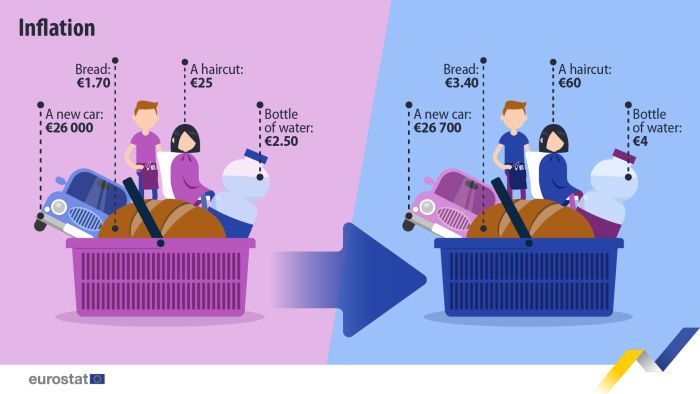
Inflation significantly influences investment choices, impacting both asset allocation and overall strategy. Investors must consider how rising prices can erode purchasing power, which in turn affects their returns. Here are key points to keep in mind:
| Factor | Influence of Inflation |
|---|---|
| Fixed-Income Investments | Lower long-term returns as interest rates may not keep pace with rising prices. |
| Equities | Companies can pass on costs leading to potential revenue growth, benefiting stock prices. |
| Real Assets | Physical assets, like real estate, often appreciate with inflation, serving as a hedge. |
| Commodities | Prices typically rise with inflation, making commodities attractive investment opportunities. |
Ultimately, awareness of inflation trends enables investors to adjust their portfolio strategies, ensuring that their investments align with economic conditions and maintain purchasing power over time. By analyzing these factors carefully, individuals can make informed decisions that mitigate risks associated with inflation.
How Governments Manage Inflation
Governments play a crucial role in inflation management, using various tools to stabilize the economy. Monetary policy is one of the primary methods, wherein central banks adjust interest rates and regulate money supply. For example, increasing interest rates can help reduce spending and curb rising prices.
| Tool | Description | Impact on Inflation |
|---|---|---|
| Monetary Policy | Adjusting interest rates and money supply | Lower rates can stimulate the economy, while higher rates can suppress it. |
| Fiscal Policy | Changing government spending and taxation | Increasing taxes can reduce disposable income, impacting inflation. |
| Price Controls | Setting legal restrictions on prices | This can provide short-term relief but may lead to shortages. |
Additionally, fiscal policy involves government spending and tax alterations to influence economic activity. By increasing expenditure during a downturn, governments can stimulate growth, whereas tightening fiscal measures can help control an overheated economy.
Through these methods, governments aim to maintain a balance between economic growth and controlling inflation, ensuring a stable financial environment for citizens.
The Future of Inflation and Its Implications for You
As we look ahead, understanding the potential trends in Inflation can help you prepare for its impacts on your daily life and financial health. Here are some key implications to consider:
- Rising Living Costs: As inflation trends upward, you may notice an increase in essential expenses like groceries, housing, and transportation.
- Interest Rates Influence: Central banks often respond to Inflation by adjusting interest rates, which can affect loans, credit cards, and mortgages.
- Investment Strategies: Inflation can erode purchasing power, prompting investors to shift towards assets that typically outperform during inflationary periods, such as commodities and real estate.
- Wage Adjustments: Employers might increase wages to keep pace with rising costs, yet this can contribute to a vicious cycle of inflation if not managed carefully.
| Implication | Explanation |
|---|---|
| Living Costs | Increased prices lead to higher daily expenses. |
| Interest Rates | Changes can impact borrowing costs and savings. |
| Investment Strategies | Shifts towards assets that hedge against inflation risk. |
| Wage Adjustments | Potential for higher incomes, but risks of inflationary pressures. |
Being aware of these factors allows you to plan accordingly, whether it’s adjusting your budget, strategizing investments, or staying informed about wage dynamics. Adapting your finances now can help you navigate the uncertainties surrounding the future of Inflation effectively.