Credit Score: What It Is and How to Improve It
A solid understanding of your Credit Score is essential in today’s financial landscape. It plays a pivotal role in determining not only your ability to secure loans but also the interest rates you’ll encounter and even your eligibility for certain job opportunities. This comprehensive guide will delve into the intricacies of credit scores, exploring their significance, the various factors that influence them, and actionable strategies for improvement. Whether you’re looking to make a large purchase like a home or simply wish to enhance your financial credibility, understanding how to check and maintain your credit health is crucial. Join us as we debunk common myths and equip you with the knowledge you need to navigate the complex world of credit successfully.
Understanding Credit Scores
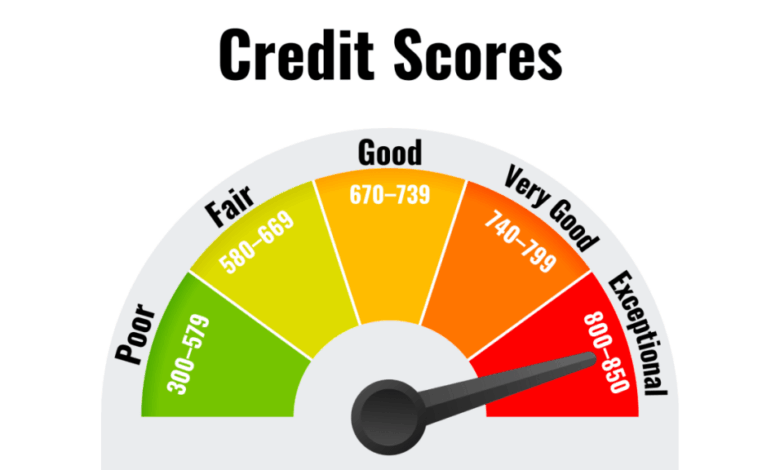
A Credit Score is a numerical representation of your creditworthiness, reflecting your ability to manage borrowed money. It’s essential for obtaining loans, mortgages, and even rental agreements. Here’s what you need to know:
- Range: Typically, scores range from 300 to 850. Higher scores denote better credit health.
- Purpose: Lenders use this score to assess risk and determine interest rates.
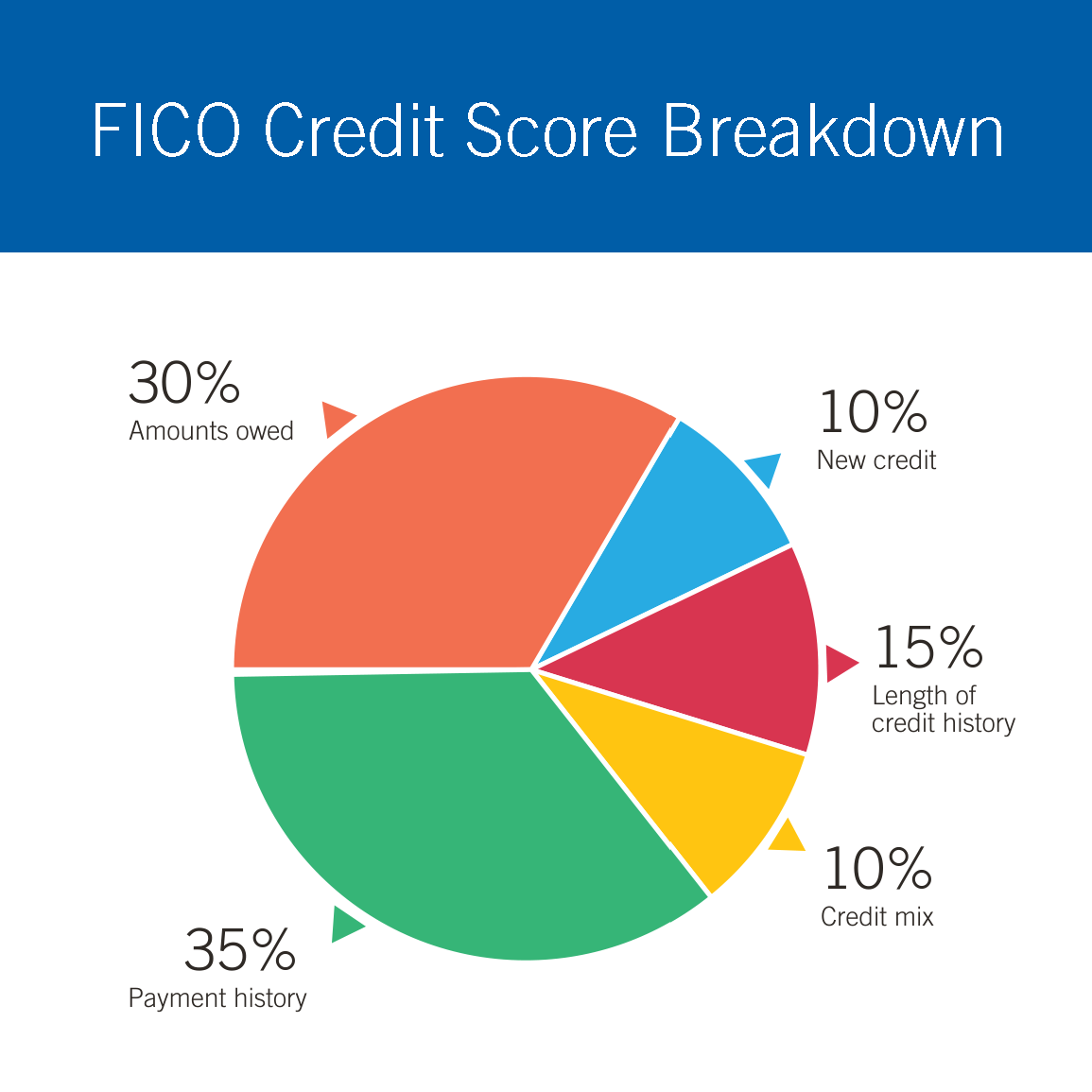
- Components: Several factors contribute to your score, including:
- Payment History: 35% – Timely payments improve your score
- Credit Utilization: 30% – Low balances relative to limits are favorable
- Length of Credit History: 15% – Longer history can benefit your score
- Credit Mix: 10% – A variety of credit types is often beneficial
- New Credit: 10% – Too many new accounts can lower your score
| Factor | Percentage Impact | Description |
|---|---|---|
| Payment History | 35% | Timely payments enhance your credibility |
| Credit Utilization | 30% | Keeping balances low compared to limits |
| Length of History | 15% | Older accounts positively impact your score |
| Credit Mix | 10% | Diverse credit types lend to a healthier score |
| New Credit | 10% | Multiple recent inquiries may lower your score |
By understanding your Credit Score, you’ll be better equipped to make informed financial decisions.
The Importance of a Good Credit Score
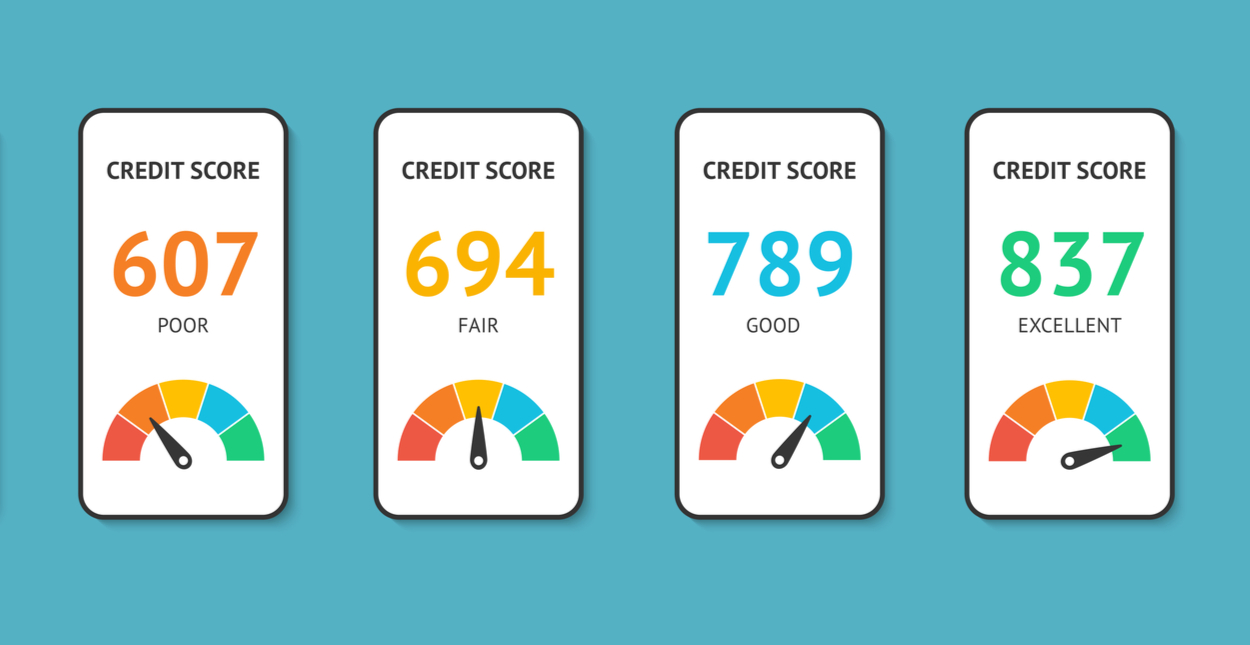
A Credit Score plays a crucial role in your financial life. It serves as a numerical representation of your creditworthiness, impacting whether you can secure loans, obtain favorable interest rates, or even rent an apartment. Here are some key reasons why maintaining a good credit score is essential:
| Benefit | Description |
|---|---|
| Lower Interest Rates | A higher score often leads to reduced interest rates on loans, saving you money over time. |
| Increased Loan Approval | Lenders are more likely to approve loans for individuals with good credit scores, making it easier to obtain funds. |
| Rental Applications | Many landlords check credit scores; a good score enhances your chances of securing a rental property. |
| Better Insurance Premiums | Some insurance companies use credit scores to determine premiums; a good score can lead to lower rates. |
By prioritizing your Credit Score, you not only gain access to better financial products but also create lasting benefits in your life. The importance of a strong credit standing cannot be overstated, as it paves the way for numerous financial opportunities.
Factors Affecting Your Credit Score
Understanding the Credit Score is crucial for maintaining financial health. Several key factors influence your Credit Score, including:
| Factor | Impact on Score | Description |
|---|---|---|
| Payment History | 35% | Timely payments boost your score, while late or missed payments can significantly lower it. |
| Credit Utilization | 30% | Keeping your credit card balances below 30% of your total credit limit is advisable. |
| Length of Credit History | 15% | A longer credit history can positively impact your score, showcasing responsible credit use. |
| New Credit Accounts | 10% | Opening multiple new accounts in a short period can negatively affect your score. |
| Types of Credit Used | 10% | A mix of credit types, including revolving credit (like credit cards) and installment loans, can enhance your score. |
By understanding these factors, you can strategically make decisions that will improve your Credit Score over time. Remember, even small changes in your financial habits can lead to big improvements in your score!
How to Check Your Credit Score
Checking your Credit Score is an essential step in managing your financial health. Here are some effective methods to do so:
- Online Credit Reports: Utilize websites that provide free credit reports annually. Some reliable sources include:
- AnnualCreditReport.com
- Credit Karma
- Experian
- Credit Card Services: Many credit card companies offer free access to your Credit Score and periodic credit monitoring. Check with your provider to see if this service is available.
- Credit Monitoring Services: Consider subscribing to a credit monitoring service that provides regular updates and alerts about changes to your credit profile.
| Method | Cost | Frequency of Access |
|---|---|---|
| Online Credit Reports | Free | Once a year |
| Credit Card Services | Free (varies) | Ongoing |
| Credit Monitoring Services | Paid/free | Ongoing, as often as needed |
By regularly checking your credit, you can stay informed, manage your finances well, and take steps to improve your Credit Score when necessary.
Effective Strategies to Improve Your Credit Score
Improving your Credit Score requires a proactive approach and consistent effort. Here are several strategies to help you boost your score effectively:
| Strategy | Description |
|---|---|
| Pay Bills On Time | Establish a history of timely payments to enhance your score. Late payments can negatively impact your rating. |
| Reduce Credit Utilization Ratio | Keep your credit usage below 30% of your total available credit to show lenders you manage credit wisely. |
| Avoid New Hard Inquiries | Limit applications for new credit lines to prevent unnecessary hard inquiries, which can lower your score. |
| Diversify Credit Types | A mix of credit types (credit cards, loans) can improve your score by demonstrating responsible credit management. |
| Regularly Check Your Reports | Monitor your credit reports for errors and dispute inaccuracies promptly since they can unfairly lower your score. |
By implementing these strategies, you can gradually enhance your Credit Score, opening doors to better financial opportunities. Remember, consistency is key, and over time, you’ll see positive changes!
Common Myths About Credit Scores
Understanding Credit Scores is crucial, yet numerous misconceptions can lead to confusion. Here are a few prominent myths debunked:
- Myth #1: Checking your credit score hurts your score.
Reality: Checking your own credit score is considered a soft inquiry and does not impact your score negatively. - Myth #2: Closing old accounts improves your credit score.
In truth, closing old accounts can actually hurt your score by increasing your credit utilization ratio and shortening your credit history. - Myth #3: A credit score of 700 is “perfect.”
While 700 is considered good, scores can range up to 850. The higher your score, the better your borrowing potential.
Comparison of Misconceptions
| Myth | Reality |
|---|---|
| Checking score harms it | Self-checks do not affect the score (soft inquiry) |
| Closing old accounts enhances score | Closing can decrease score due to reduced history and utilization ratios |
| 700 is perfect | It’s good, but scores can go higher, impacting loan rates and terms |
By understanding the truth behind these myths, you can navigate your financial decisions with more confidence and accuracy. Always seek reliable sources and stay informed to maintain a healthy credit score.
Monitoring and Maintaining Your Credit Health
Regularly monitoring and maintaining your credit health is crucial for achieving financial stability. Here are some effective strategies and tips to help you stay on top of your credit score and overall credit health:
- Check Your Credit Report: At least once a year, obtain a free copy of your credit report from major agencies. Correct any inaccuracies promptly.
- Set Up Alerts: Utilize credit monitoring services to receive alerts for significant changes to your credit report, such as new inquiries or accounts.
- Limit Hard Inquiries: Only apply for new credit when necessary, as excessive inquiries can negatively impact your credit score.
- Pay Bills on Time: Establish automatic payments to avoid missed due dates, which can harm your credit health.
| Tip | Description |
|---|---|
| Frequency of Checks | Check your credit report annually for anomalies. |
| Alerts | Set up alerts for changes to your report. |
| Inquiry Management | Limit new credit applications to protect your score. |
| Timely Payments | Use autopay for bill payments to maintain a good record. |
By implementing these strategies consistently, you can effectively monitor and maintain your credit health, steering clear of potential pitfalls.