How to Manage Money Effectively (Step-by-Step Guide)
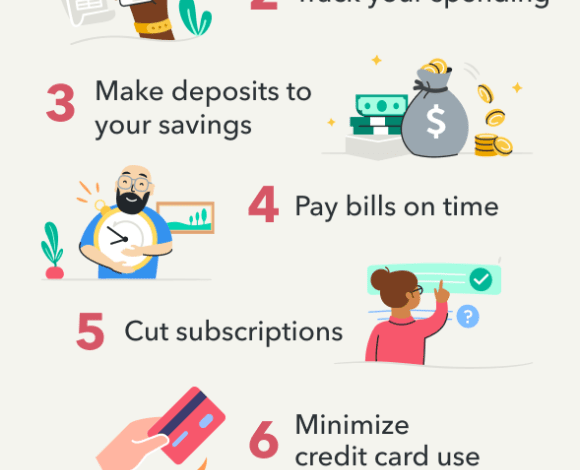
In today’s fast-paced world, mastering your finances is more crucial than ever. Whether you dream of achieving financial independence, buying your first home, or simply ensuring a secure future, understanding the nuances of Money Management is the first step. This step-by-step guide will walk you through essential strategies, from setting achievable financial goals to creating a solid budget and tracking your expenses. You’ll also learn how to save and invest wisely, manage debt effectively, and regularly review your financial plan to keep your goals on track. Let’s embark on this journey to financial savvy together!
Understanding Money Management
Understanding Money Management is the cornerstone of financial success. It involves effective planning and control of your financial resources, enabling you to make informed decisions. Here are some essential concepts to grasp:
- Financial Literacy: Knowledge of financial terms, concepts, and tools that help you make sound decisions.
- Income and Expenses: A clear distinction between what you earn and what you spend is vital.
- Assets and Liabilities: Understanding the difference will help you measure your net worth effectively.
- Budgeting: Creating a framework for spending, savings, and investments ensures you live within your means.
| Term | Definition |
|---|---|
| Income | Money received regularly, typically from work or investments. |
| Expenses | Costs incurred regularly, such as bills, groceries, and debts. |
| Assets | Valuable resources owned, such as property and investments. |
| Liabilities | Financial obligations owed to others, like loans and credit cards. |
By comprehending these fundamentals, you’ll pave the way toward mastering Money Management and securing your financial future.

Setting Financial Goals
Setting financial goals is a crucial step in achieving financial stability and success. A clear vision of what you want to accomplish can guide your financial decisions and help you stay motivated. Here are some essential aspects to consider when setting your financial goals:
| Aspect | Description |
|---|---|
| Specific | Define exactly what you want to achieve. For example, specify an amount you wish to save. |
| Measurable | Ensure that your goals can be tracked and quantified. This can involve setting timelines. |
| Achievable | Make sure your goals are realistic, considering your current financial situation. |
| Relevant | Align your goals with your broader life objectives, whether they are personal or professional. |
| Time-Bound | Establish a deadline for achieving your goals to maintain focus and urgency. |
By following this framework, you can create a structured plan that enhances your Money Management strategy. Prioritizing these goals will help you determine your financial paths, whether it’s saving for retirement, buying a home, or paying off debt.
Creating a Budget
Creating a budget is a crucial step in achieving effective Money Management. Start by listing all your income sources, such as salary, side jobs, or any passive income. Next, categorize your expenses into fixed (like rent) and variable (like groceries). This breakdown helps you understand where your money is going. Use the following comparison table to visualize your budgeting options:
| Budgeting Method | Description | Pros | Cons |
|---|---|---|---|
| Zero-Based Budget | Every dollar is allocated | Maximizes control | Time-consuming |
| 50/30/20 Rule | 50% needs, 30% wants, 20% savings | Simple and flexible | Less precise tracking |
| Envelope System | Cash for each category | Prevents overspending | Limited to cash use |
After selecting a method that suits you, set monthly limits for each spending category. Regularly revisiting your budget allows you to adapt it as your financial situation changes, ensuring your Money Management strategies remain effective.
Tracking Your Expenses
Tracking your expenses is a crucial step in effective Money Management. By understanding your spending habits, you can make informed decisions about your financial future. Here are some effective methods to consider:
- Use Apps: Digital tools like Mint or YNAB (You Need a Budget) help automate tracking.
- Keep a Journal: Record every purchase in a ledger for a tactile approach.
- Review Bank Statements: Regularly analyze your bank transactions to spot patterns.
Expense Tracking Methods
| Method | Description | Pros | Cons |
|---|---|---|---|
| Apps | Digital tools for tracking expenditures | Easy to use, automated | Might require internet |
| Journal | Manual recording of expenses | Full control | Time-consuming |
| Bank Statements | Analysis of existing financial records | Accurate data | Harder to categorize |
By diligently tracking your expenses, you gain insight into where your money goes. This awareness will help you adjust your budget and ultimately achieve your financial goals. Remember, consistent monitoring leads to better spending habits and financial outcomes!

Saving and Investing Wisely
Saving and investing are essential components of Money Management that contribute to long-term financial stability. To effectively save and invest your money, consider the following key points:
| Aspect | Details |
|---|---|
| Emergency Fund | Aim to save 3-6 months’ worth of expenses to cover unforeseen situations. |
| High-Interest Accounts | Choose savings accounts or CDs with competitive interest rates to maximize returns. |
| Diversified Portfolio | Invest in a mix of assets (stocks, bonds, ETFs) to spread risk. |
| Automate Savings | Set up automatic transfers to savings and investment accounts to ensure consistency. |
| Regular Contributions | Contribute a fixed amount regularly to take advantage of dollar-cost averaging. |
By focusing on these strategies, you’ll create a solid foundation for your financial future. Remember, the earlier you start saving and investing, the greater your wealth potential will be!
Managing Debt Effectively
Effectively managing debt is crucial for achieving your Money Management goals. Start by prioritizing your debts; categorize them based on interest rates and balances. You can utilize the debt avalanche method, which focuses on paying off high-interest debts first, or the debt snowball method, where you tackle smaller balances first for quick wins.
| Method | Description | Ideal For |
|---|---|---|
| Debt Avalanche | Pay off debts with the highest interest rates first | Long-term savings on interest |
| Debt Snowball | Pay off the smallest debts first | Motivation through quick successes |
Next, establish a payment plan. Allocate extra funds towards your prioritized debts while maintaining minimum payments on others. Always look for ways to cut unnecessary expenses, which can free up more cash for debt repayment. Additionally, consider consulting a financial advisor if you find your debt overwhelming. Taking these actionable steps will pave the way for a healthier financial future.
Reviewing and Adjusting Your Financial Plan
Regularly reviewing and adjusting your financial plan is crucial for effective Money Management. Monitoring your progress allows you to stay on track and adapt to any life changes. Here are key elements to consider:
- Assessment Frequency: Review your plan quarterly or bi-annually.
- Adjust for Income Changes: Increase or decrease savings and spending based on your income.
- Expense Monitoring: Identify any unexpected expenses and adjust your budget accordingly.
- Goal Re-evaluation: Reassess financial goals every year to ensure they still align with your priorities.
| Aspect | Action Items | Checkpoints |
|---|---|---|
| Goals | Set specific, measurable targets | Review quarterly |
| Budget | Adjust for changing needs | Monthly check-ins |
| Expenses | Track all spending trends | Weekly tracking |
| Savings & Investments | Increase contributions as income grows | Review performance annually |
By keeping your financial plan dynamic, you essentially set yourself up for continued financial health.