Recession Explained: What You Need to Know
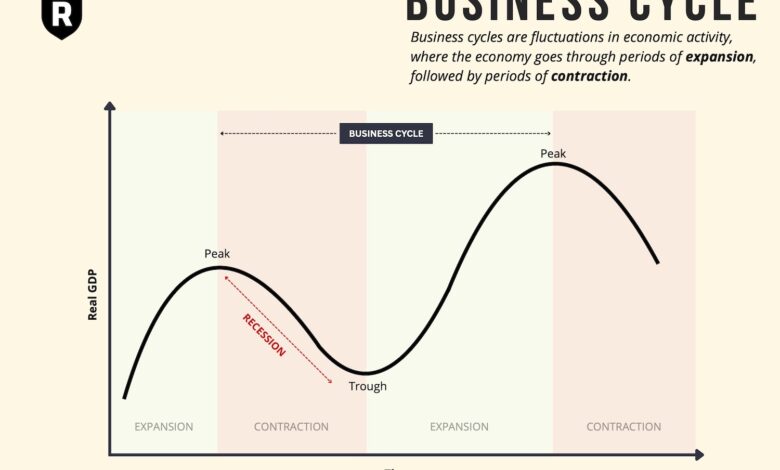
In today’s unpredictable economic climate, understanding the intricate phenomenon of Recession is essential for individuals, businesses, and policymakers alike. This comprehensive guide will delve into the fundamental aspects of what a recession entails, exploring its definition and key characteristics. We will uncover the various causes that trigger these economic downturns, examine their impact on businesses and employment, and discuss how they can affect consumers and household finances. Additionally, we’ll highlight the indicators that signal a looming recession, equip you with strategies for coping during these challenging times, and outline pathways to economic recovery. Stay informed and prepared with the insights provided in this essential reading on navigating the complexities of a recession.
Understanding Recession: Definition and Key Characteristics
A recession is a significant decline in economic activity that lasts for an extended period, typically visible in various economic indicators. Understanding its essence can help individuals and businesses prepare for its implications. Here are some key characteristics:
- Duration: A recession usually lasts for at least two consecutive quarters of negative GDP growth.
- Indicators: Key indicators include rising unemployment rates, decreasing consumer spending, and a drop in industrial production.
- Economic Contraction: It involves a widespread downturn across various sectors, affecting both businesses and consumers.
- Cyclical Nature: Recessions are a natural part of the economic cycle, often following periods of economic expansion.
| Characteristic | Description |
|---|---|
| Duration | Minimum of two quarters of negative GDP growth |
| Key Indicators | Unemployment rise, decreased spending, industrial production drop |
| Economic Impact | Widespread downturn across multiple economic sectors |
| Cycle | Part of the broader economic cycle |
By recognizing these defining features, individuals can better navigate the challenges posed during a recession. Understanding the landscape allows for informed decision-making, positioning oneself or a business to weather the storm more effectively.
Causes of Recession: What Triggers Economic Downturns?
Understanding the recession is crucial for anticipating its effects. Several factors can trigger economic downturns, and they often interrelate. Here are some key causes:
| Cause | Description |
|---|---|
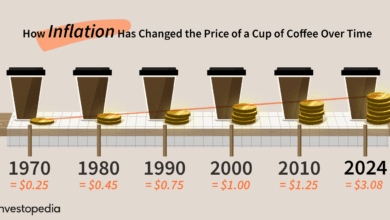
| High Inflation | Rapid increases in prices can erode consumer purchasing power. |
| Rising Interest Rates | Higher borrowing costs may lead to decreased spending and investment. |
| Decreased Consumer Confidence | When confidence falls, consumers cut back on spending, slowing the economy. |
| Supply Chain Disruptions | Interruptions in production can lead to shortages and increased costs. |
| Global Economic Conditions | Economic troubles in major economies can spill over, affecting others. |
By recognizing these triggers, you can better prepare for the potential effects of a recession on your finances and resources. Understanding these underlying causes helps individuals and businesses stay vigilant and develop strategic responses.
The Impact of Recession on Businesses and Employment
During a Recession, the ripple effects profoundly impact both businesses and employment. Businesses often face reduced demand for products and services, leading to declining revenues and, ultimately, layoffs. Here’s a breakdown of some key effects:
| Impact Area | Before Recession | During Recession |
|---|---|---|
| Sales Revenue | High sales | Significant drop |
| Workforce | Growing employment | Layoffs and hiring freezes |
| Business Investment | Expanding investments | Limited new projects |
| Consumer Spending | Increased spending | Cutbacks in spending |
In this environment, companies might resort to budget cuts, postponing capital expenditures, and reducing operational costs. Moreover, employment opportunities shrink, causing job security concerns among workers. As businesses tighten their belts, they often emphasize efficiency over expansion, which can hinder long-term growth prospects. Understanding these dynamics will help you navigate these challenging times with greater resilience.
How Recession Affects Consumers and Household Finances
A recession can have a profound impact on consumers and their household finances. During these challenging economic times, individuals often face various hardships. Here are some key effects:
- Decreased Income: Many workers may experience job losses or reduced hours, leading to a drop in household income.
- Increased Debt: Families might rely more on credit cards for essentials, causing them to accumulate debt.
- Reduced Spending: With tighter budgets, consumers typically cut back on discretionary spending, affecting businesses’ revenue.
- Lower Consumer Confidence: Anxiety about financial stability can reduce spending even further, creating a cycle of economic contraction.
Here’s a quick overview highlighting the major consequences:
| Impact | Description |
|---|---|
| Job Losses | Many businesses downsize or close, directly leading to unemployment. |
| Inflation on Essentials | Prices for basic goods and services may rise, straining household budgets. |
| Savings Decline | Economic uncertainty might discourage saving, causing a decrease in family savings rates. |
| Shift in Spending Habits | Consumers might prioritize essentials over non-essentials, altering the market dynamics and consumer behavior. |
Understanding these effects can help households navigate through the tumultuous nature of a recession and prepare for future financial challenges.
Indicators of Recession: Recognizing the Signs Before They Hit
Recognizing the indicators of a Recession is crucial for preparing yourself and your finances. Here are some key signs that may signal an impending economic downturn:
| Indicator | Description |
|---|---|
| Declining GDP | A sustained drop in Gross Domestic Product indicates overall economic slowdown. |
| Increased Unemployment | Rising unemployment rates highlight businesses struggling to maintain staff. |
| Reduced Consumer Spending | A noticeable drop in consumer confidence leads to decreased spending. |
| Falling Stock Market | A significant downturn in stock prices often reflects negative investor sentiment. |
| Decreased Manufacturing | Declines in factory orders and production levels suggest weakening demand. |
By monitoring these indicators closely, both individuals and businesses can take proactive measures to navigate through potential economic challenges. Understanding these warning signs allows one to remain cautious and responsive, ultimately mitigating the impacts of a Recession on your financial wellbeing.
Strategies for Coping During a Recession: What You Can Do
Navigating a Recession can be challenging, but there are effective strategies to manage your finances and maintain stability. First, consider creating a stringent budget. This allows you to track essential expenses and eliminate unnecessary spending. Next, prioritize building an emergency fund. Ideally, aim for 3 to 6 months’ worth of living expenses to serve as a financial buffer.
Additionally, diversifying income streams can significantly enhance your financial resilience. Explore freelance opportunities, part-time jobs, or passive income avenues like investments.
| Strategy | Benefits |
|---|---|
| Creating a Budget | Promotes financial awareness and control |
| Building an Emergency Fund | Provides peace of mind in uncertain times |
| Diversifying Income | Mitigates risks associated with job loss |
Lastly, stay informed about your local job market and upskill whenever possible. Adaptability and continuous learning can position you favorably, even in tough economic times. By implementing these strategies, you can weather the storm of a Recession with confidence.
Recovering from Recession: Pathways to Economic Stability
Recovering from a Recession requires strategic planning and resilience. Individuals, businesses, and governments must work collectively to foster economic growth and stability. Here are some effective pathways to consider:
- Diversifying Income Sources: Individuals should explore multiple income streams to cushion against financial instability.
- Improving Financial Literacy: Understanding personal finance can help households make informed decisions about saving, investing, and spending.
| Pathway | Description |
|---|---|
| Government Stimulus | Implementation of programs to boost spending and investment. |
| Business Innovation | Encouraging companies to innovate and pivot service offerings. |
| Workforce Development | Training and upskilling employees to meet new job demands. |
- Investing Wisely: Both individuals and businesses should focus on investments that have long-term sustainability.
- Building Resilience: Emphasizing mental and emotional health during tough times can bolster community strength.
By proactively implementing these strategies, recovery from a Recession becomes a structured and empowering journey toward stability.