How to Get Out of Debt Step-by-Step
In today’s fast-paced world, managing debt can feel overwhelming and isolating. Whether it’s student loans, credit card bills, or personal loans, many people find themselves caught in a cycle of financial stress that seems impossible to escape. However, taking control of your financial future is entirely achievable with the right strategies and mindset. In this step-by-step guide, we’ll walk you through effective methods to assess your financial situation, create a realistic budget, and implement a personalized debt repayment strategy. Additionally, we’ll explore ways to cut unnecessary expenses, increase your income, and stay motivated throughout the process. By following these steps, you can pave your way to financial freedom and ensure that you avoid future debt. It’s time to take actionable steps and Get Out of Debt once and for all.
Understanding Your Debt Situation
Understanding your debt situation is the crucial first step to Get Out of Debt successfully. A thorough evaluation allows you to develop a focused strategy to tackle your financial obligations. Here are essential points to consider:
- List Your Debts: Write down each debt with its total balance, interest rate, and minimum monthly payment.
- Categorize Your Debts: Divide debts into secured (e.g., mortgages, car loans) and unsecured (e.g., credit cards, personal loans) for clarity.
- Assess Monthly Payments: Note down how much you are currently paying each month for all debts combined.
- Calculate Your Debt-to-Income Ratio: Divide your total monthly debt payments by your monthly income to assess your financial health.
| Key Metrics | Importance |
|---|---|
| Total Debt Amount | Understand overall burden |
| Interest Rates | Identify costly debts |
| Monthly Payments | Manageability assessment |
| Debt-to-Income Ratio | Measure financial stability |
This systematic approach empowers you to visualize your debts and sets the groundwork for creating a practical repayment plan. By recognizing your financial landscape, you can make informed decisions that pave the way to Get Out of Debt efficiently.
Creating a Realistic Budget
Creating a realistic budget is essential for successful debt management. It empowers you to Get Out of Debt by tracking income and expenses effectively. Here are key considerations to help you set up your budget:
| Step | Description |
|---|---|
| List All Income Sources | Identify and document every source of income. |
| Track Monthly Expenses | Detail fixed and variable expenses to see spending habits. |
| Set Priorities | Allocate funds for necessities before discretionary spending. |
| Plan for Debt Payments | Designate a specific amount each month for debt repayments. |
| Review Regularly | Assess your budget monthly and adjust as needed. |
By following these steps, you can create a budget that not only supports your current financial needs but helps you strategize towards financial freedom. Prioritizing budgeting will significantly enhance your ability to Get Out of Debt efficiently!
Choosing a Debt Repayment Strategy
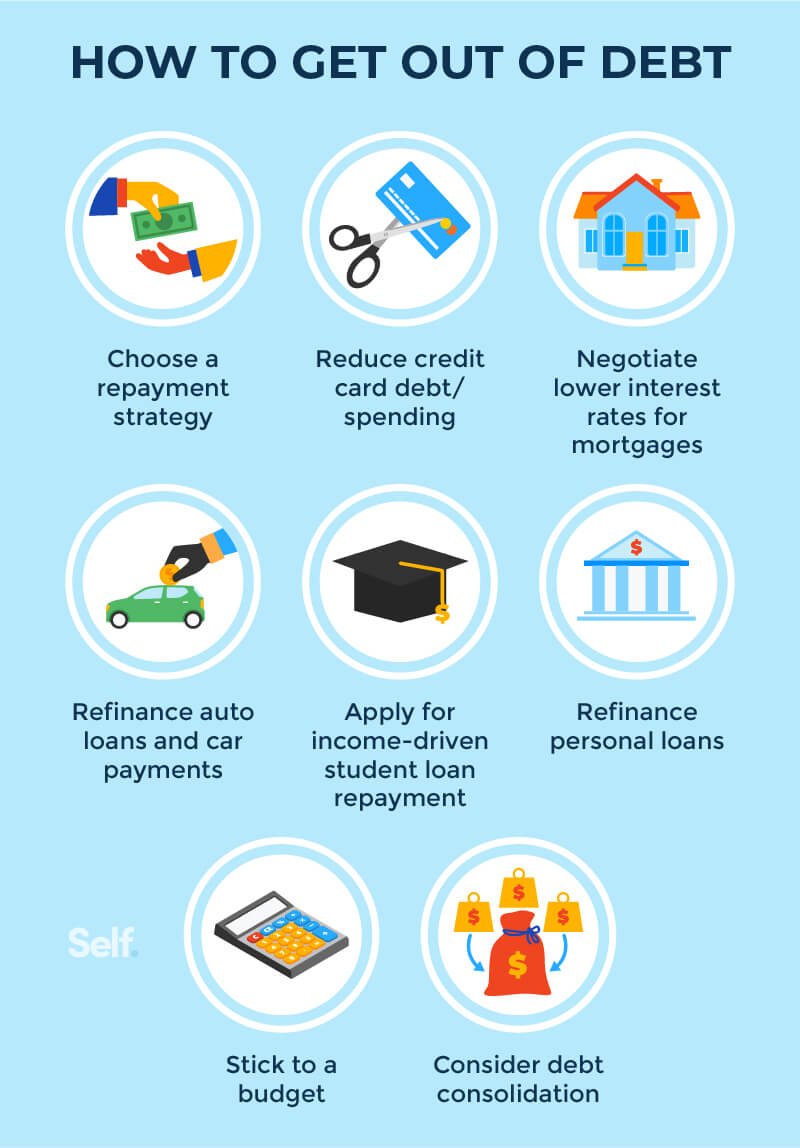
Selecting the right debt repayment strategy can significantly impact your journey to financial freedom. Several methods exist, each with distinct advantages and strategies to help you pay off your debts effectively. Consider the following popular options:
| Strategy | Description | Best For |
|---|---|---|
| Avalanche Method | Focus on paying off high-interest debts first while making minimum payments on others. | Reducing total interest paid |
| Snowball Method | Pay off the smallest debts first to build momentum and motivation. | Psychological satisfaction |
| Debt Consolidation | Combine multiple debts into a single loan with a lower interest rate. | Simplifying payments |
| Debt Settlement | Negotiate with creditors for a lower payoff amount. | Reducing total debt owed |
To decide which strategy suits you best, assess your debt amounts, interest rates, and psychological preferences. For instance, if quick wins motivate you, the snowball method might be ideal. Alternatively, the avalanche method could save you more on interest over time. Ultimately, choosing the right strategy is a crucial step to get out of debt effectively and sustainably.
Cutting Unnecessary Expenses
Reducing your expenses is a crucial step in the journey to Get Out of Debt. By identifying and cutting unnecessary costs, you can free up more funds for debt repayment. Here are some effective strategies:
- Track Your Spending: Monitor daily expenditures to pinpoint where you overspend.
- Prioritize Needs Over Wants: Focus on essential items and eliminate discretionary purchases.
- Use Cash Only: Withdraw a set amount for weekly spending to enforce budget discipline.
Key Areas to Evaluate
| Expense Category | Tips to Cut Costs |
|---|---|
| Dining Out | Cook at home and limit restaurant visits |
| Subscription Services | Cancel unused memberships and subscriptions |
| Utilities | Implement energy-saving habits and compare providers |
| Groceries | Plan meals, use coupons, and buy in bulk |
By taking these steps, you can significantly reduce your expenses and create more room in your budget for debt repayment, making it easier to Get Out of Debt sooner. Stay focused and keep track of your progress!
Increasing Your Income
Increasing your income is a powerful strategy to Get Out of Debt faster and more effectively. Here are several practical ways to boost your earnings:
| Strategy | Description |
|---|---|
| Side Hustles | Engage in freelance work, online tutoring, or gig apps like Uber or TaskRabbit to earn extra cash. |
| Selling Unused Items | Declutter your home and sell items on platforms like eBay or Facebook Marketplace for additional funds. |
| Overtime Opportunities | If your job allows, take on extra shifts or overtime to increase your paycheck. |
| Skill Development | Invest time in learning new skills that could lead to promotions or higher-paying roles. |
| Passive Income Streams | Explore avenues like rental properties or investing in stocks to generate income without much effort. |
By actively seeking ways to enhance your income, you can make significant progress towards your goal to Get Out of Debt. Remember, every little bit helps, and combining several strategies can lead to even greater financial freedom.
Staying Motivated Throughout the Process
Maintaining motivation during your debt repayment journey is crucial for long-term success. First, set clear goals: define specific amounts you want to pay off monthly or aim for a particular debt-free date. By breaking down your larger goal into smaller milestones, you can celebrate small wins, which boosts your motivation significantly.
Create a visual representation of your progress, such as a chart or a debt payoff thermometer. This can enhance your sense of achievement each time you update it, keeping you inspired to continue. Additionally, involve supportive family members or friends; sharing your journey can provide accountability and encouragement.
Regularly remind yourself of your “why”—financial freedom, reduced stress, or future opportunities—this will reinforce your commitment to Get Out of Debt. Lastly, don’t hesitate to reward yourself for reaching milestones; these small treats can help maintain your motivation and make the process feel less daunting.
Avoiding Future Debt
Successfully managing your Get Out of Debt journey is just the beginning; avoiding future debt is vital for long-term financial health. Here are some actionable strategies to keep you on the right track:
- Create an Emergency Fund: Aim to save at least three to six months’ worth of expenses. This fund acts as a financial cushion during unexpected situations.
- Practice Responsible Spending:
- Needs vs. Wants: Distinguish between essential purchases and discretionary spending.
- Wait Before Purchase: Implement a 24-hour waiting period for non-essential items to reduce impulse buying.
- Use Credit Wisely:
- Opt for Cash or Debit: Rely on cash for daily transactions to avoid overspending.
- Monitor Credit Utilization: Keep your credit card usage below 30% of the limit to maintain a healthy score.
- Educate Yourself Financially:
- Read finance-related material or attend workshops to enhance your budgeting and spending knowledge.
| Strategy | Description |
|---|---|
| Emergency Fund | Save 3-6 months of expenses for unforeseen costs |
| Responsible Spending | Prioritize needs over wants for budget control |
| Credit Usage | Limit credit use; focus on cash transactions |
| Financial Education | Stay informed on budgeting and savings practices |
By following these steps, you can effectively prevent future debt and create a sustainable financial lifestyle. This approach not only helps you Get Out of Debt but also ensures you remain debt-free moving forward.